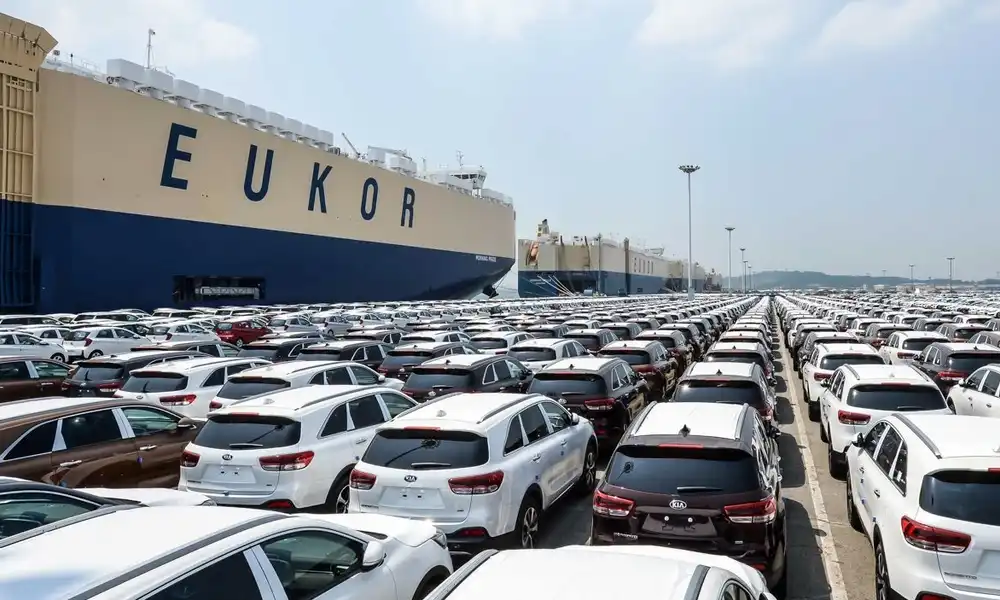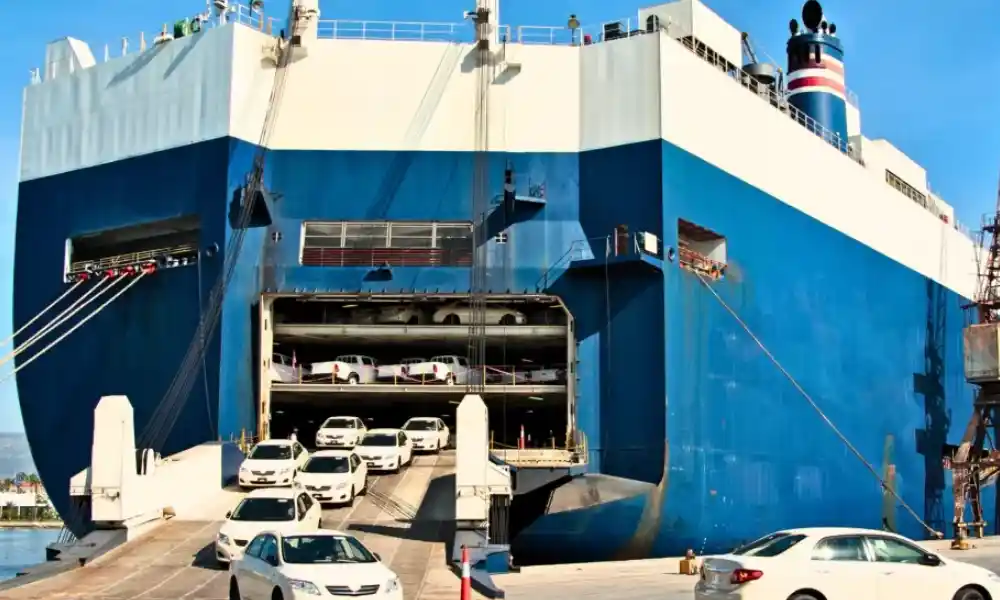
Importing used cars from Korea to Port of Dakar for Senegal involves selecting a vehicle, preparing Korean export documents, choosing RoRo or container shipping, completing Senegal customs clearance, paying applicable duties and taxes, and registering the vehicle locally. The entire process typically takes six to eight weeks.
UsedCarKorea.com
If you’re planning How to Import Used Cars from Korea to Port of Dakar for Senegal, understanding the complete process can help you save money, avoid costly delays, and choose the right vehicle. South Korea is one of the world’s leading exporters of reliable used Hyundai, Kia, Genesis, and KGM vehicles, while Dakar serves as Senegal’s primary gateway for imported automobiles. This 2026 complete guide explains everything from choosing a vehicle and arranging international shipping to customs clearance, import taxes, registration requirements, and practical tips for a smooth importing experience.
Table of Contents
Looking to Import a Used Car from Korea to Senegal?
South Korea has become one of the world’s most trusted sources of high-quality used vehicles. Thanks to strict vehicle inspections, excellent maintenance records, and competitive prices, thousands of buyers across West Africa now import Korean vehicles every year.
For Senegalese importers, the Port of Dakar serves as one of the most important automotive gateways in West Africa. Whether you are purchasing a single vehicle for personal use or importing multiple cars for resale, understanding the complete import process can save you significant time and money.
This guide explains everything you need to know about importing used cars from Korea to Senegal in 2026.
Why Import Korean Used Cars to Senegal?
Korean vehicles have earned a strong reputation throughout Africa because they offer:
- Lower mileage than many European imports
- Excellent maintenance history
- Competitive auction prices
- Reliable diesel and gasoline engines
- Wide availability of spare parts
- Left-hand drive (LHD) configuration suitable for Senegal
Popular brands include:

- Hyundai
- Kia
- Genesis
- SsangYong (KGM)
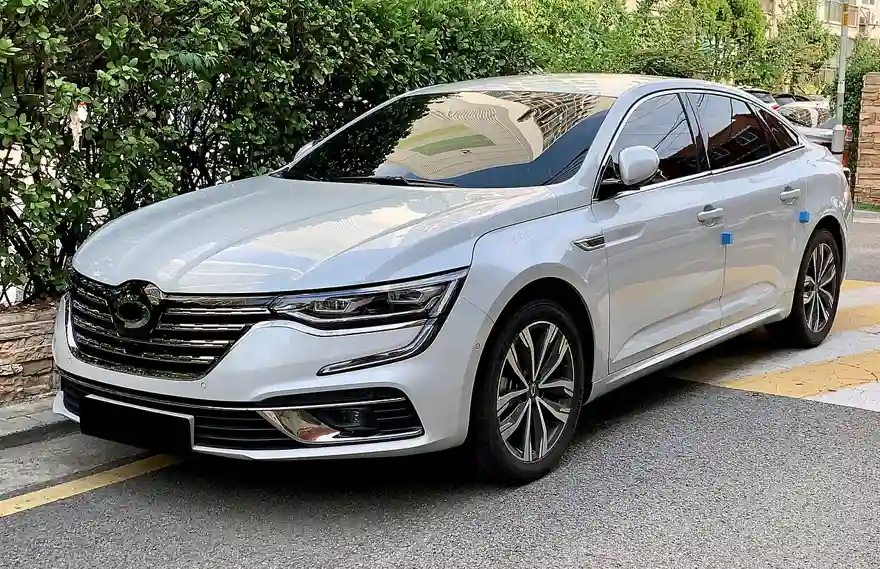
- Renault Samsung
Many vehicles exported from Korea are less than ten years old and include features rarely found on vehicles imported from other markets.
Why Dakar Port?
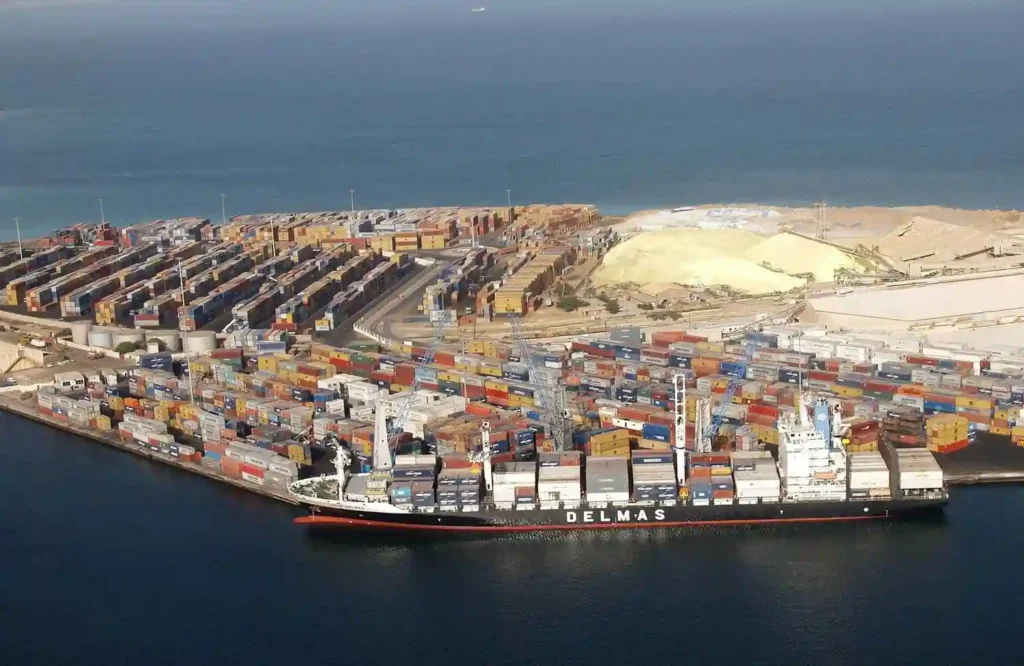
The Port of Dakar is one of West Africa’s busiest commercial ports and handles thousands of imported vehicles every month.
Advantages include:
- Modern RoRo facilities
- Efficient customs clearance
- Access to Mali, Guinea, Mauritania, and The Gambia
- Numerous licensed customs brokers
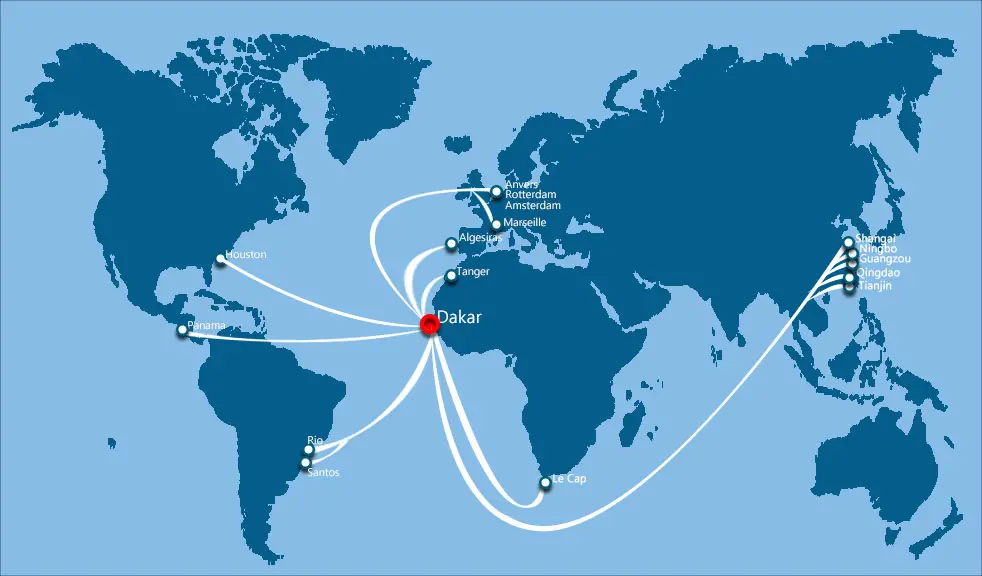
- Regular shipping services from Asia
After customs clearance, vehicles can be transported throughout Senegal or re-exported to neighboring countries.
Step 1 — Choose Your Vehicle in Korea
Most buyers purchase vehicles through:
- Korean used car exporters
- Dealer inventories
- Online marketplaces
- Korean vehicle auctions
Before purchasing, request:
- High-resolution photos
- Interior photos
- Engine photos
- Undercarriage photos
- Cold-start video
- Driving video
- Accident history report
- Odometer verification
Professional exporters also provide inspection reports before shipment.
Step 2 — Vehicle Inspection
Always inspect:
Exterior
- Rust
- Paint thickness
- Scratches
- Dents
- Glass condition
Interior
- Dashboard
- Air conditioning
- Seats
- Navigation
- Electronics
Mechanical
- Engine
- Transmission
- Suspension
- Brake system
- Tires
The better the inspection before purchase, the lower the risk after arrival.
Step 3 — Complete Korean Export Documentation
Typical export documents include:
- Commercial Invoice
- Bill of Lading (B/L)
- Export Declaration
- Vehicle Deregistration Certificate
- Packing List
- Insurance Certificate (if applicable)
- Certificate of Origin (when required)
Keep both digital and original copies.
Step 4 — Shipping from Korea to Dakar
Two shipping methods are available.
Roll-on/Roll-off (RoRo)
Advantages
- Lower shipping cost
- Faster loading
- Ideal for one vehicle
- Minimal container handling
Disadvantages
- Vehicle must be operational
- Personal belongings are generally not permitted
Container Shipping
Advantages
- Better protection
- Multiple vehicles
- Spare parts can be shipped together
- Suitable for luxury vehicles
Disadvantages
- Higher freight cost
- Additional loading charges
Shipping Route
Typical route:
Incheon or Busan Port
↓
Singapore
↓
Suez Canal
↓
Mediterranean Sea
↓
Atlantic Ocean
↓
Port of Dakar
Transit time typically ranges from 35–50 days, depending on the shipping line, transshipment schedule, and weather conditions.
Documents Required in Senegal
Generally required documents include:
- Original Bill of Lading
- Commercial Invoice
- Korean Export Certificate
- Vehicle Registration Cancellation Certificate
- Import Declaration
- Customs Documents
- Identification of Importer
- Shipping Documents
A licensed customs broker can assist with document submission.
Customs Duties and Taxes
Import charges generally include:
- Customs Duty
- VAT
- Statistical Fee
- Processing Charges
- Port Handling Fees
The total payable amount depends on:
- Vehicle age
- Engine displacement
- CIF value (Cost + Insurance + Freight)
- Current Senegal customs regulations
Always obtain an updated customs estimate before shipping, as rates may change.
Vehicle Registration
After customs clearance:
- Technical inspection
- Registration
- Number plates
- Insurance
- Road tax payment
Only after completing these steps can the vehicle legally operate on Senegalese roads.
Estimated Import Timeline
| Stage | Time |
|---|---|
| Vehicle Selection | 2–5 Days |
| Inspection | 1–3 Days |
| Purchase | 1 Day |
| Export Processing | 5–10 Days |
| Ocean Shipping | 35–50 Days |
| Customs Clearance | 3–7 Days |
| Registration | 2–5 Days |
Average total:
Approximately 6–8 weeks
Estimated Import Costs
Typical costs include:
- Vehicle Purchase Price
- Inland Transport in Korea
- Export Documentation
- Ocean Freight
- Marine Insurance
- Customs Duty
- VAT
- Port Charges
- Registration Fees
Request a complete landed-cost quotation before confirming your purchase.
Best Korean Cars for Senegal
Hyundai Tucson
Excellent fuel economy and durable suspension.
Kia Sportage
One of Senegal’s most popular imported SUVs.
Hyundai Santa Fe
Comfortable family SUV with strong resale value.
Kia Sorento
Ideal for commercial and family use.
Hyundai Elantra (Avante)
Affordable maintenance and excellent fuel efficiency.
Kia K5 (Optima)
Reliable sedan suitable for business users.
Hyundai Porter
Widely used for commercial transportation.
Tips Before Buying
✔ Buy from experienced exporters.
✔ Request inspection videos.
✔ Verify mileage.
✔ Confirm shipping schedule.
✔ Understand customs costs before payment.
✔ Compare RoRo and container freight.
✔ Purchase marine insurance.
✔ Keep all export documents.
FAQs
What documents do I need to import a used car from Korea to Senegal?
You’ll typically need:
– Commercial Invoice
– Bill of Lading (B/L)
– Korean Export Certificate (De-registration Certificate)
– Certificate of Origin (if applicable)
– Packing List (if requested)
– Vehicle Registration Certificate
– Importer’s ID/Passport
– Insurance Certificate (if applicable)
When the vehicle arrives in Dakar, Senegal Customs may also require a customs declaration and supporting import documents before clearance.
How long does shipping from South Korea to the Port of Dakar take?
Typical transit times are:
RoRo (Roll-on/Roll-off): 35–50 days
Container Shipping: 40–55 days
Actual delivery depends on:
– Departure port (Incheon, Pyeongtaek, Busan)
– Shipping line
– Transshipment schedules
– Weather and port congestion
Customs clearance usually takes a few business days after arrival if all paperwork is complete.
How much are customs duties and taxes in Senegal?
The total import cost depends on:
– Vehicle CIF value (Cost + Insurance + Freight)
– Vehicle age
– Engine size
– Fuel type
– Applicable customs duties and VAT
– Port handling charges
Because rates can change and are calculated on customs valuation, it’s best to obtain an official estimate before shipment.
Can I import any used car from Korea?
Not always.
Before purchasing, verify that the vehicle:
– Meets Senegal’s import regulations
– Has all export documents
– Can be legally registered after customs clearance
– Is in good mechanical condition
Most importers also recommend checking the vehicle’s accident history and maintenance records before purchase.
What happens after the car arrives at the Port of Dakar?
The typical process is:
– Shipping line issues an Arrival Notice.
– Submit customs clearance documents.
– Customs inspects and values the vehicle.
– Pay applicable duties, taxes, and port charges.
– Receive customs clearance.
– Complete local registration before using the vehicle on public roads.
Vehicle customs clearance is generally handled through the authorized customs offices at Dakar Port North or Dakar Port South.
Final Thoughts
Importing a used car from Korea to the Port of Dakar has never been more accessible. With transparent export procedures, reliable international shipping, and growing demand for quality Korean vehicles across West Africa, buyers can benefit from competitive pricing and dependable vehicles.
Before placing an order, compare shipping options, verify all documentation, estimate the full landed cost, and work with an experienced exporter to ensure a successful import experience.