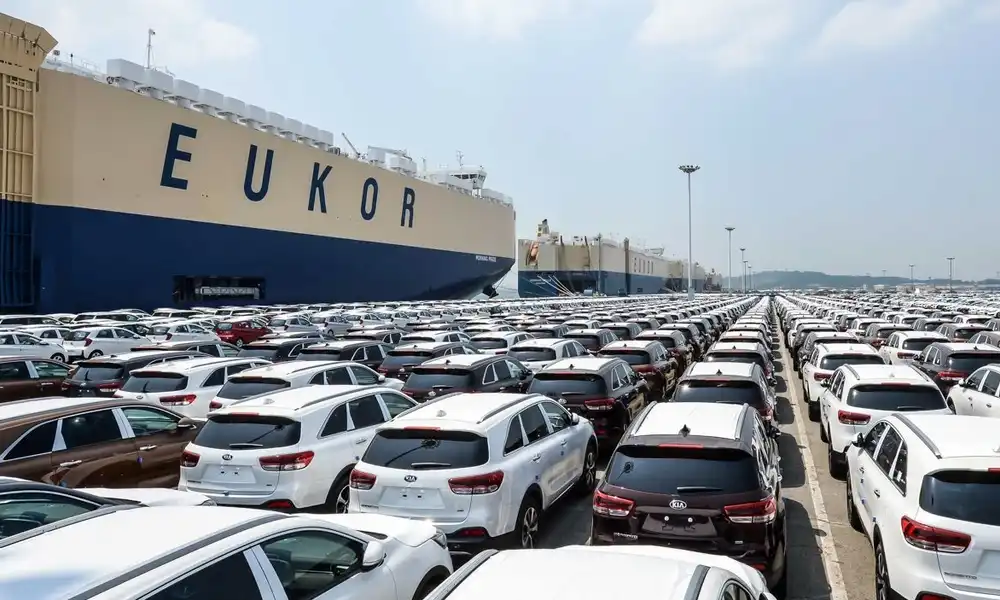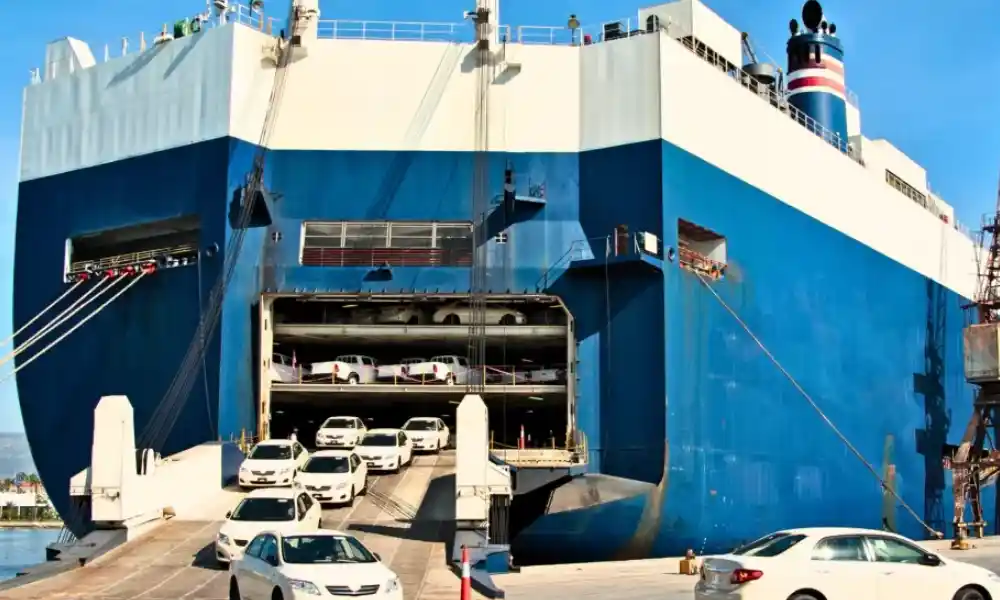

Can you import used cars from Korea through the Port of Iquique? Yes. Korean used cars can be shipped to the Port of Iquique and handled through the ZOFRI Free Trade Zone. While mainland Chile generally restricts used passenger vehicle imports, ZOFRI allows eligible storage, trading, and re-export to other South American countries, making Iquique a major logistics hub for regional vehicle distribution.
UsedCarKorea.com
The Port of Iquique in northern Chile has become one of the most strategic gateways for importing used cars from South Korea into South America. Thanks to the ZOFRI (Zona Franca de Iquique) Free Trade Zone, international car dealers can import vehicles with significant tax advantages while using Chile as a distribution hub for neighboring countries. However, Chile generally prohibits the import of used passenger vehicles into the mainland except for limited exceptions, making ZOFRI a key logistics route for eligible trade and onward exports.
Whether you’re a car dealer, exporter, or fleet buyer, this comprehensive 2026 guide explains every step—from purchasing Korean vehicles to customs clearance at Iquique and distribution throughout South America.
Table of Contents
Why Import Used Cars from Korea?
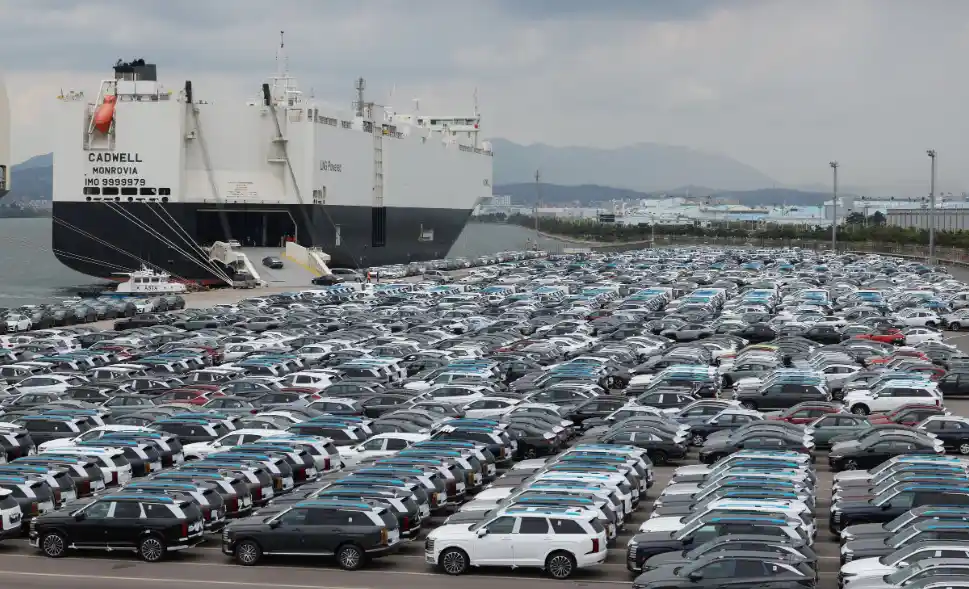
South Korea has become one of the world’s fastest-growing exporters of quality used vehicles.
Advantages
- Well-maintained vehicles
- Low mileage
- Advanced maintenance history
- Reliable brands
- Competitive prices
- Excellent resale value
Popular brands include:
- Hyundai
- Kia
- Genesis
- Chevrolet Korea
- Renault Korea
- SsangYong (KG Mobility)
Why Choose Port of Iquique?
Strategic Location
Located in northern Chile, Iquique serves as an international logistics hub for:
- Chile
- Bolivia
- Paraguay
- Peru
- Argentina
The port offers easy access to South America’s inland markets.

ZOFRI Free Trade Zone Benefits
One of Iquique’s biggest advantages is ZOFRI.
Benefits include:
- Duty-free storage
- VAT exemption while goods remain in the free zone
- Vehicle redistribution throughout South America
- Lower logistics costs
- International trading hub
Many South American dealers purchase inventory directly from ZOFRI instead of importing individually. Chile’s mainland generally restricts used-car imports, so ZOFRI is commonly used for eligible storage, trade, and re-export operations.
Step 1: Select Your Korean Vehicle
Popular export models include:
SUVs
- Hyundai Santa Fe
- Hyundai Tucson
- Kia Sportage
- Kia Sorento
Sedans
- Hyundai Sonata
- Kia K5
- Genesis G80
Commercial Vehicles
- Hyundai Porter
- Kia Bongo
Pickup Trucks
- SsangYong Musso
- Kia Mohave
Step 2: Vehicle Inspection
Professional exporters normally provide:
- Exterior inspection
- Interior inspection
- Engine test
- Accident history
- Odometer verification
- VIN verification
- Mechanical inspection
Step 3: Required Export Documents
Typical export documentation includes:
- Commercial Invoice
- Bill of Lading (B/L)
- Export Declaration
- Certificate of Origin (when applicable)
- Vehicle Registration Cancellation Certificate
- Inspection Certificate
- Packing List (if required)
Most importers will also need local customs documentation depending on the destination country.
Step 4: Shipping from Korea to Iquique
Major Korean export ports include:
- Busan
- Incheon
- Pyeongtaek
- Masan
Shipping methods:
Ro-Ro Shipping
Advantages
- Lower cost
- Faster loading
- Ideal for running vehicles
Container Shipping
Advantages
- Better protection
- Multiple vehicles
- Spare parts included
- Luxury vehicles
Transit time typically ranges from approximately 30–45 days, depending on the shipping line, routing, and transshipment schedule.
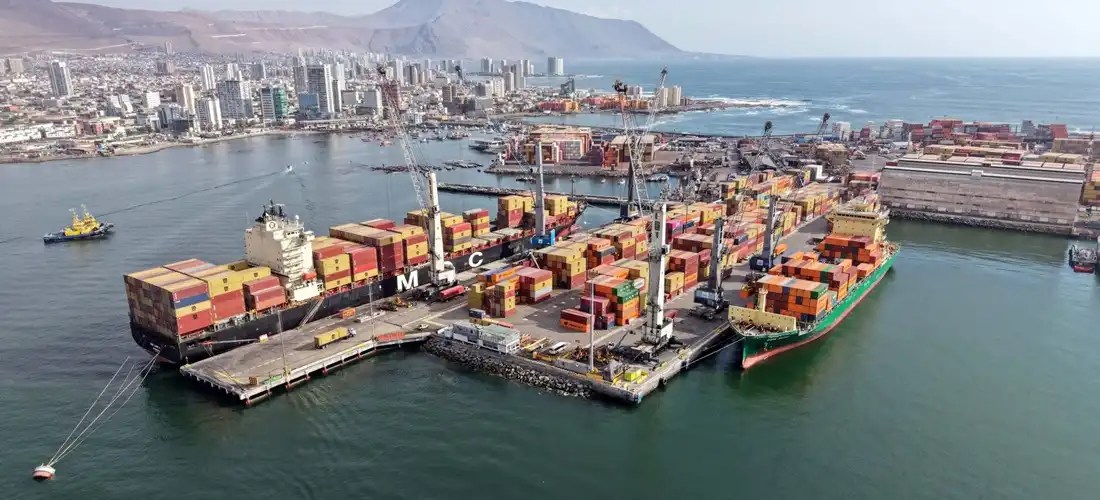
Step 5: Arrival at Port of Iquique
Upon arrival:
- Customs documentation review
- Port inspection
- Cargo release
- Transfer to ZOFRI
- Dealer inventory
Customs Regulations in Chile
Importers should understand one important rule.
Mainland Chile
Generally:
- Used passenger vehicle imports are prohibited except for limited legal exceptions.
ZOFRI
Vehicles may be:
- Stored
- Sold
- Re-exported
- Distributed internationally
- Nationalized only when legal requirements are met
Always verify current Chilean customs regulations before shipping.
Cost Breakdown (Estimated)
Example:
Vehicle FOB Korea:
US$9,000
Ocean Freight:
US$1,400
Marine Insurance:
US$180
Port Charges:
US$350
Documentation:
US$180
Customs Broker:
US$250
Total Landed Cost (before applicable local duties and taxes):
Approximately US$11,360
Actual costs vary depending on the vehicle, shipping method, insurance, destination, and customs requirements.
Distribution Across South America
From Iquique, vehicles can be transported to:
Bolivia
A major destination for Korean SUVs and pickups.
Paraguay
Growing demand for Korean diesel vehicles.
Peru
Strong market for Hyundai and Kia models.
Argentina
Special import regulations apply.
Best Korean Vehicles for South America
Most requested models include:
- Hyundai Tucson
- Kia Sportage
- Hyundai Santa Fe
- Kia Sorento
- Hyundai Porter
- Kia Bongo
- Genesis G80
These models are known for:
- Affordable maintenance
- Strong parts availability
- Good fuel efficiency
- High resale value
Common Mistakes to Avoid
- Ignoring local import regulations
- Buying without inspection
- Using inexperienced exporters
- Missing required documents
- Underestimating logistics costs
- Not verifying VIN history
Choosing a Reliable Korean Exporter
Look for exporters offering:
- Verified inventory
- Vehicle inspection reports
- Transparent pricing
- Export experience
- Marine insurance options
- English customer support
- Global shipping network
Future Outlook (2026)
Demand for Korean used vehicles continues to increase across South America due to:
- Rising new-car prices
- Strong reliability of Korean brands
- Growing availability of hybrid vehicles
- Improved shipping networks
- Expanding international trade through ZOFRI
Industry sources also note continued growth in Korea’s used-vehicle exports and sustained demand from overseas buyers.
Conclusion
Importing used cars from Korea to the Port of Iquique offers an efficient pathway for businesses serving South American markets. By leveraging the advantages of the ZOFRI Free Trade Zone, working with experienced exporters, and ensuring compliance with Chilean customs regulations, importers can streamline logistics and expand their regional distribution networks.
Success depends on selecting quality vehicles, preparing complete documentation, understanding destination-country regulations, and partnering with reputable shipping and customs professionals.
FAQs
Can I import used cars from Korea through the Port of Iquique?
Yes. Korean used cars can be shipped to the Port of Iquique and stored or traded within the ZOFRI Free Trade Zone. While mainland Chile generally restricts the import of used passenger vehicles, ZOFRI serves as a major hub for eligible storage, distribution, and re-export to other South American countries.
How long does it take to ship a used car from Korea to Iquique?
Ocean freight from major Korean ports such as Busan, Incheon, or Pyeongtaek to Iquique typically takes 30 to 45 days, depending on the shipping line, vessel schedule, weather conditions, and whether transshipment is required.
What documents are required to import a used car from Korea?
Most importers will need the following documents:
– Commercial Invoice
– Bill of Lading (B/L)
– Export Declaration
– Vehicle Registration Cancellation Certificate
– Certificate of Origin (if applicable)
– Vehicle Inspection Report
– Marine Insurance Certificate (recommended)
Additional customs documents may be required depending on the destination country.
Which Korean used cars are most popular in South America?
The highest-demand models include:
– Hyundai Tucson
– Hyundai Santa Fe
– Kia Sportage
– Kia Sorento
– Hyundai Porter
– Kia Bongo
– Genesis G80
These vehicles are popular for their reliability, fuel efficiency, affordable maintenance, and strong resale value.
Why do many South American dealers use the Port of Iquique?
The Port of Iquique is home to the ZOFRI (Zona Franca de Iquique) Free Trade Zone, which offers customs and tax advantages for eligible imports. It allows businesses to store, trade, and re-export vehicles efficiently, making it one of South America’s leading automotive logistics and distribution centers.