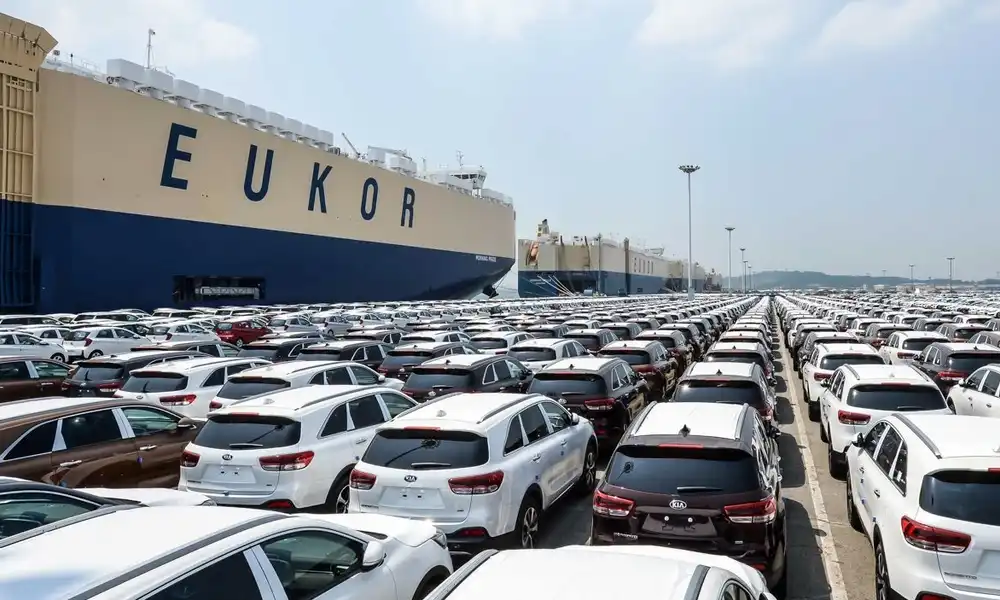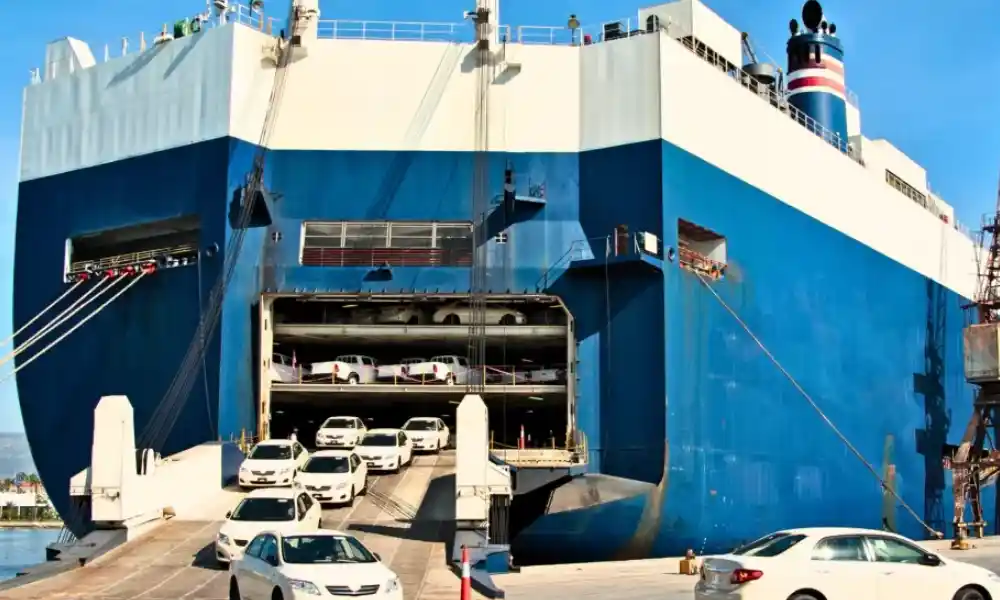

Korean used cars are becoming the preferred choice for global importers in 2026 because they offer excellent reliability, competitive pricing, advanced technology, and transparent vehicle histories. South Korea’s efficient export infrastructure and globally trusted automotive brands make sourcing high-quality used vehicles easier and more profitable for international buyers.
UsedCarKorea.com
South Korea has emerged as one of the world’s most attractive sources of used vehicles, attracting importers, dealerships, fleet operators, and individual buyers from Africa, the Middle East, Southeast Asia, Latin America, Eastern Europe, and beyond. In 2026, global demand for Korean used cars continues to rise due to a combination of vehicle quality, transparent maintenance records, competitive pricing, advanced automotive technology, and efficient export infrastructure.
For international buyers seeking reliable vehicles with strong resale value, South Korea offers a compelling alternative to traditional sourcing markets such as Japan, Europe, and the United States. Korean-made brands, including Hyundai, Kia, and Genesis, have achieved global recognition for durability, safety, fuel efficiency, and modern features, making them highly desirable in both developed and emerging markets.
This guide explains why global importers are increasingly choosing Korean used cars in 2026, how the export process works, what buyers should look for, and the key advantages that make South Korea a leading automotive export hub.
Table of Contents
What Are Korean Used Cars?
Korean used cars are pre-owned vehicles manufactured or previously operated in South Korea and sold for domestic resale or international export.
The market includes:
- Passenger sedans
- SUVs and crossovers
- Pickup trucks
- Commercial vehicles
- Luxury vehicles
- Electric vehicles (EVs)
- Hybrid vehicles
Many exported vehicles come from corporate fleets, lease programs, rental companies, and private owners who follow strict maintenance schedules.

As a result, Korean used vehicles often enter the export market with:
- Comprehensive service histories
- Lower accident rates
- Well-maintained interiors
- Modern technology packages
- Competitive mileage ranges
Why Global Importers Prefer Korean Used Cars in 2026
1. Exceptional Value for Money
One of the biggest reasons importers source vehicles from South Korea is affordability.
Compared with similar vehicles from Europe or North America, Korean used cars frequently offer:
- Lower acquisition costs
- Better feature-to-price ratios
- Newer model years
- Higher equipment levels
For example, a five-year-old midsize SUV from Korea may include:
- Advanced driver assistance systems
- Touchscreen infotainment
- Adaptive cruise control
- Lane-keeping assist
- Heated and ventilated seats
These features often cost significantly more in comparable vehicles from other markets.
2. Strong Global Reputation of Korean Brands
Over the past decade, Hyundai, Kia, and Genesis have transformed their international reputation.
Major strengths include:
Hyundai
Known for:
- Reliability
- Fuel efficiency
- Affordable maintenance
- Wide availability of spare parts
Popular export models include:
- Hyundai Tucson
- Hyundai Santa Fe
- Hyundai Elantra
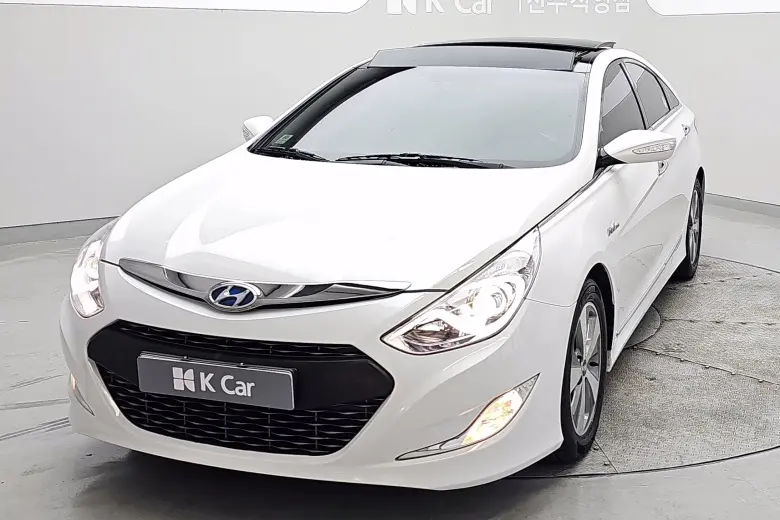
- Hyundai Sonata
- Hyundai Porter
Kia
Recognized for:
- Modern design
- Advanced technology
- Long-term durability
Popular export models include:
- Kia Sportage
- Kia Sorento
- Kia K5
- Kia Morning
- Kia Carnival
Genesis
Korea’s premium automotive brand offers:
- Luxury interiors
- Advanced safety systems
- Competitive pricing compared with German luxury vehicles
Popular export models include:
- Genesis G70
- Genesis G80
- Genesis GV70
- Genesis GV80
3. High Vehicle Quality Standards
South Korea maintains rigorous automotive inspection and maintenance standards.
Many vehicles undergo:
- Regular government inspections
- Manufacturer-recommended servicing
- Digital maintenance tracking
- Insurance documentation
Because Korean consumers increasingly value vehicle condition and resale value, many cars receive preventive maintenance throughout ownership.
This creates an export market filled with vehicles that are mechanically sound and cosmetically well-preserved.
The Rise of Korean Used Electric Vehicles
Growing Demand for EV Exports
South Korea has become a major producer of electric vehicles.
Popular EV exports include:
- Hyundai Ioniq 5
- Hyundai Kona Electric
- Kia EV6
- Kia Niro EV
- Genesis Electrified GV70
Many international buyers prefer Korean EVs because they combine:
- Competitive pricing
- Long driving range
- Advanced battery technology
- Fast charging capabilities
As countries strengthen environmental regulations, demand for Korean used EVs continues to expand.
Transparent Vehicle History and Documentation
One of the most important concerns for importers is verifying vehicle condition.
South Korea offers relatively transparent vehicle records compared with many emerging export markets.
Documentation may include:
- Registration history
- Ownership records
- Insurance claims
- Service records
- Mileage verification
- Inspection reports
This transparency reduces the risk of:
- Odometer fraud
- Hidden accident damage
- Major mechanical issues
For international buyers purchasing vehicles remotely, access to detailed documentation provides greater confidence during the transaction process.
Efficient Export Infrastructure
Why South Korea Is Easy to Import From
South Korea possesses one of Asia’s most advanced logistics and shipping networks.
Major export ports include:
- Busan
- Incheon
- Pyeongtaek
- Ulsan
These ports support:
- Roll-on/Roll-off (RoRo) shipping
- Container shipping
- Bulk vehicle export operations
Benefits include:
- Faster processing times
- Reliable shipping schedules
- Competitive freight rates
- Strong customs support
For global importers managing multiple shipments each month, operational efficiency can significantly improve profitability.
How to Import Korean Used Cars: Step-by-Step
Step 1: Identify Target Vehicles
Importers should determine:
- Vehicle type
- Market demand
- Age restrictions
- Emission regulations
- Budget requirements
Researching local consumer preferences before purchasing inventory is essential.
Step 2: Verify Vehicle History
Request:
- Vehicle inspection reports
- Service records
- Accident history
- Mileage verification
Independent inspections can provide additional assurance.
Step 3: Confirm Import Regulations
Every country has different requirements regarding:
- Vehicle age
- Emissions compliance
- Safety standards
- Tax obligations
Importers should verify compliance before finalizing purchases.
Step 4: Arrange Shipping
Choose between:
RoRo Shipping
Advantages:
- Lower cost
- Faster loading
- Suitable for operational vehicles
Container Shipping
Advantages:
- Greater protection
- Multiple vehicle consolidation
- Better security
Step 5: Customs Clearance
Prepare:
- Bill of lading
- Export certificate
- Commercial invoice
- Vehicle registration documents
- Customs declarations
Accurate paperwork reduces delays and additional costs.
Most Popular Korean Used Cars Among International Buyers
The strongest-performing export categories in 2026 include:
| Category | Popular Models |
|---|---|
| Compact Cars | Hyundai Accent, Kia Rio |
| Sedans | Hyundai Sonata, Kia K5 |
| SUVs | Hyundai Tucson, Kia Sportage |
| Family Vehicles | Kia Carnival, Hyundai Staria |
| Commercial Vehicles | Hyundai Porter, Kia Bongo |
| Luxury Vehicles | Genesis G80, Genesis GV80 |
| Electric Vehicles | Hyundai Ioniq 5, Kia EV6 |
These vehicles are widely sought after due to their reliability, affordability, and global parts availability.
Common Risks and How Importers Can Avoid Them
Incomplete Vehicle Inspection
Solution:
Always obtain professional inspection reports before purchase.
Regulatory Non-Compliance
Solution:
Review import regulations carefully before shipping.
Hidden Shipping Costs
Solution:
Request a full landed-cost calculation including:
- Freight
- Insurance
- Customs duties
- Taxes
- Port fees
Supplier Verification Issues
Solution:
Work only with reputable exporters that provide:
- Business registration
- Export licenses
- Verified inspection reports
- Clear payment procedures
Future Trends in Korean Used Car Exports
Several developments are expected to shape the industry through 2030.
Expansion of EV Exports
More electric vehicles will enter the used market as lease programs mature.
Digital Vehicle Inspection Platforms
AI-assisted inspections and digital condition reports will improve buyer confidence.
Greater Demand from Emerging Markets
African, Southeast Asian, Middle Eastern, and Latin American markets are expected to continue increasing imports.
Growth of Luxury Vehicle Exports
Genesis vehicles are gaining popularity as affordable alternatives to European luxury brands.
FAQs
Why are Korean used cars popular among global importers in 2026?
Korean used cars are popular because they combine affordability, reliability, advanced technology, and transparent maintenance records. Many global buyers prefer used cars from Korea due to strong resale value, quality manufacturing, and efficient South Korea used vehicle export systems.
Are Korean used cars reliable for international markets?
Yes. Korean used cars from manufacturers such as Hyundai, Kia, and Genesis are known for durability and long-term performance. Many Korean car exporters provide inspection reports and service histories, helping importers purchase reliable vehicles with confidence.
Which Korean used cars have the highest demand worldwide?
The most in-demand Korean used cars include the Hyundai Tucson, Hyundai Santa Fe, Kia Sportage, Kia Sorento, Kia Carnival, and Genesis G80. These used cars from Korea are valued for fuel efficiency, safety features, and affordable maintenance costs.
How can buyers verify the condition of Korean used cars before importing?
Reputable Korean car exporters typically provide vehicle inspection reports, accident history records, mileage verification, and maintenance documentation. Reviewing these records helps buyers evaluate Korean used cars and reduce purchasing risks.
What are the advantages of South Korea used vehicle export compared to other countries?
South Korea used vehicle export offers competitive vehicle pricing, efficient shipping logistics, modern port facilities, transparent documentation, and access to high-quality inventory. These advantages make Korean used cars a preferred sourcing option for global importers and automotive dealers.
Conclusion
South Korea has established itself as one of the world’s most trusted sources of high-quality used vehicles. In 2026, global importers are increasingly choosing Korean used cars because they offer an exceptional combination of affordability, reliability, advanced technology, transparent documentation, and efficient export logistics.
Whether sourcing passenger cars, commercial vehicles, luxury models, or electric vehicles, importers benefit from South Korea’s mature automotive ecosystem and internationally recognized manufacturers. As global demand for dependable, cost-effective transportation continues to grow, Korean used cars are expected to remain a leading choice for automotive import businesses worldwide.
For dealerships, wholesalers, and fleet operators seeking long-term profitability, South Korea represents not only a vehicle sourcing destination but also a strategic competitive advantage in the global automotive marketplace.