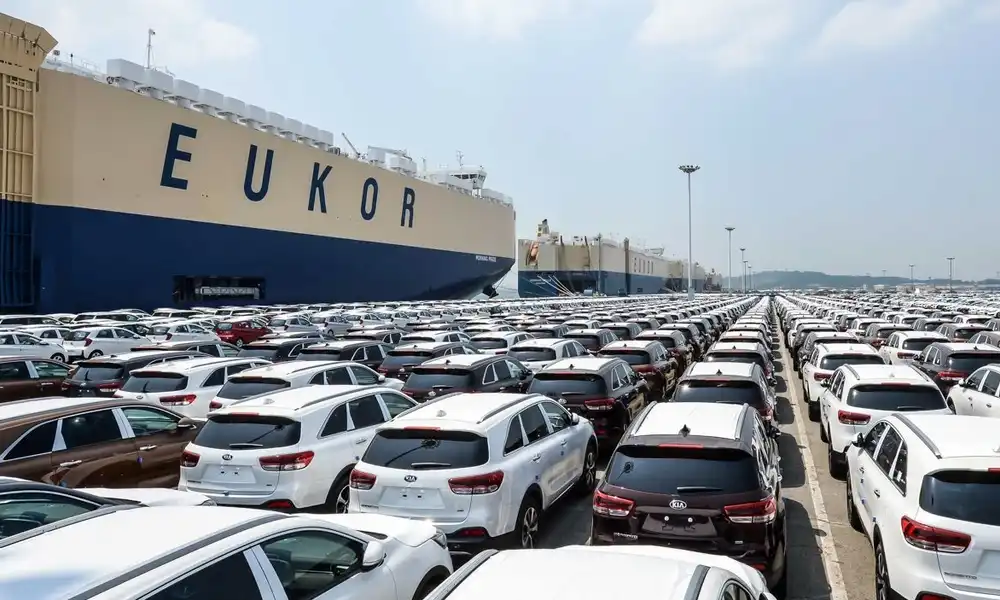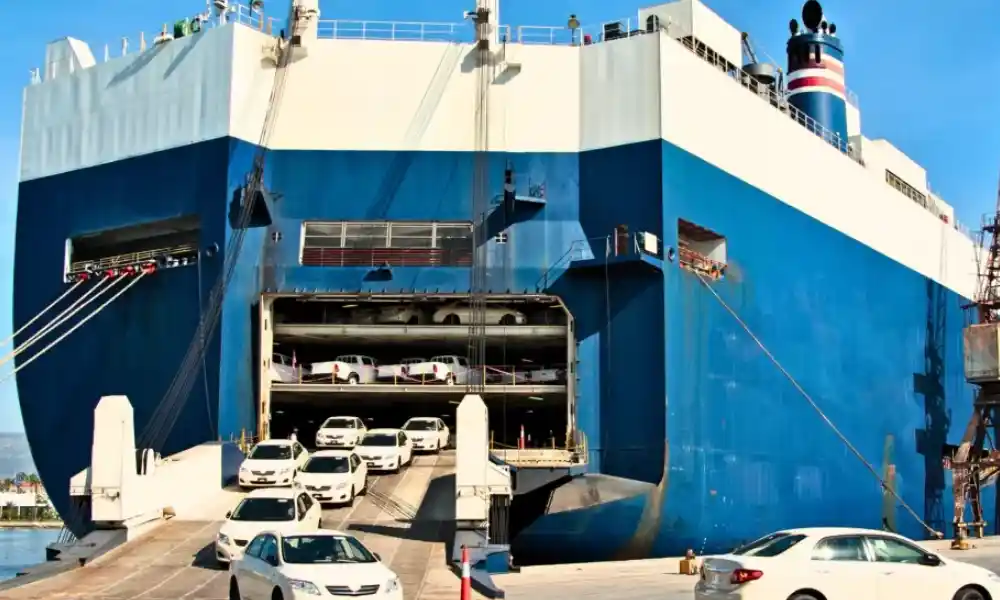
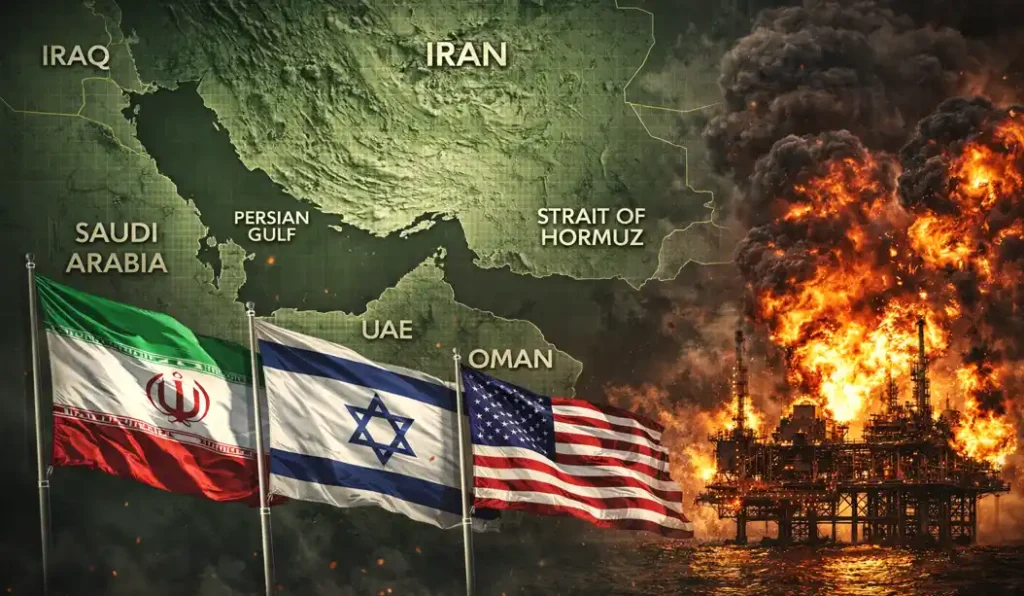
A blockade of the Strait of Hormuz would not stop Korean used car exports, but it would significantly increase shipping costs, delay delivery timelines, and reduce reliance on Gulf-based re-export hubs. South Korean exporters would shift toward direct shipping to Africa and emerging markets, adopt flexible logistics models, and accelerate digital supply chain management to maintain competitiveness.
UsedCarKorea.com
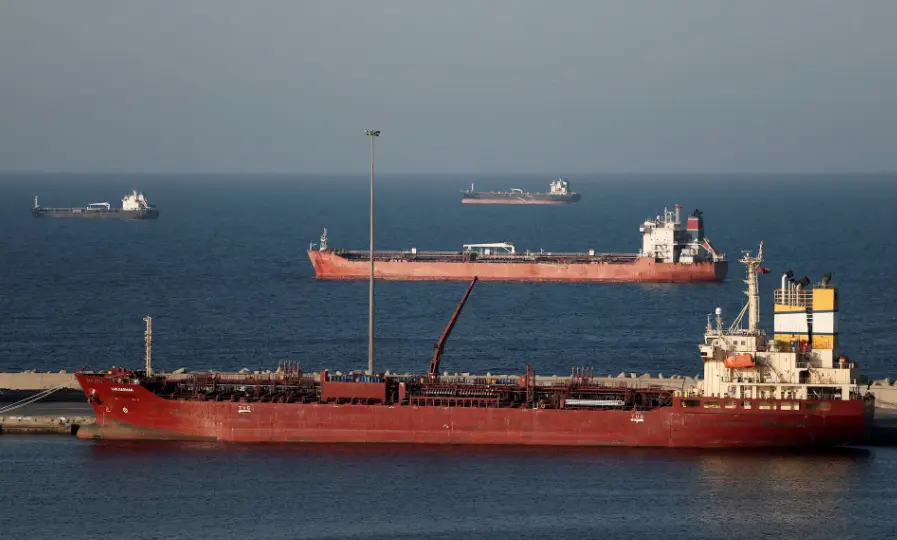
South Korea is one of the fastest-growing exporters of used vehicles, supplying markets across Africa, the Middle East, and Southeast Asia. The country’s export model depends heavily on efficient maritime logistics and strategic transshipment routes—many of which intersect with Gulf ports connected through the Strait of Hormuz.
If this chokepoint were blocked due to geopolitical conflict or security risks, the consequences would extend far beyond oil markets. For Korean exporters, the disruption would reshape trade routes, cost structures, buyer relationships, and long-term market strategy.
This article provides a comprehensive, evidence-based analysis of how such a scenario would impact Korean used car exports and what the industry would likely do next.
Table of Contents
Understanding Korea’s Used Car Export Ecosystem
Key Export Characteristics
South Korea’s used car export industry is defined by:
- High-quality inventory (relatively newer vehicles)
- Strong demand in developing markets
- Efficient port infrastructure (e.g., Busan, Incheon)
- Integration with digital export platforms
Main Destination Markets
- Middle East (UAE, Saudi Arabia, Oman)
- Africa (Libya, Egypt, Kenya, Nigeria)
- Southeast Asia (Philippines, Vietnam)
Logistics Model
- Vehicle procurement (dealers, auctions)
- Inland transport to port
- RoRo or container shipping
- Transshipment (often via Gulf hubs)
- Final distribution
Key dependency: Gulf countries—especially the UAE—serve as redistribution hubs.
What Happens If the Strait of Hormuz Is Blocked?
Immediate Logistics Disruption
A blockade restricts access to major Gulf ports, forcing ships to:

- Avoid the Persian Gulf entirely
- Use alternative routes (longer and more expensive)
- Cancel or reroute shipments mid-transit
Operational impact:
- Transit delays of 10–25 days
- Increased vessel congestion in alternative ports
- Reduced schedule reliability
Sharp Increase in Shipping Costs
Shipping costs are highly sensitive to geopolitical risk.
Key cost drivers include:
- War risk insurance premiums
- Fuel price spikes (linked to oil supply disruptions)
- Limited vessel availability
Observed pattern (based on past disruptions):
Freight rates can rise 30–80% within weeks under high-risk conditions.
Breakdown of the Gulf Re-export Model
Countries like the UAE function as logistics intermediaries.
A blockade would:
- Reduce inbound Korean vehicle shipments to Gulf hubs
- Disrupt redistribution to Africa and Central Asia
- Force buyers to source directly from Korea
Structural Shift in Korean Export Strategy
Transition to Direct-to-Market Shipping
Korean exporters would increasingly ship directly to:
- East Africa (Mombasa, Dar es Salaam)
- North Africa (Alexandria, Tripoli)
- South Asia
Advantages:
- Reduced dependency on intermediaries
- Greater pricing control
Challenges:
- Longer shipping times
- Higher logistics complexity
Expansion into Non-Gulf Markets
To mitigate risk, exporters diversify into:
- Latin America (Chile, Peru)
- Eastern Europe
- Central Asia (via land-sea routes)
This reduces exposure to Hormuz-related disruptions.
Rise of Container-Based Exports
Traditionally, many Korean exports use RoRo shipping.
However, disruption encourages:
- Increased containerization
- Flexible routing options
- Smaller batch shipments
Price and Demand Implications
Export Price Stability vs. Landed Cost Increase
Vehicle purchase prices in Korea may remain stable, but landed costs rise due to:
- Freight surcharges
- Insurance costs
- Delays and storage fees
Regional Impact Analysis
| Region | Impact on Korean Used Cars |
|---|---|
| Middle East | Supply shortages, price spikes |
| Africa | Moderate price increase, longer delivery |
| Southeast Asia | Limited disruption |
| Europe | Minimal impact |
Operational Risks for Korean Exporters
Cash Flow Pressure
Delays lead to:
- Capital tied up in transit inventory
- Slower payment cycles
- Increased financing costs
Contract and Compliance Challenges
- Missed delivery deadlines
- Renegotiation of contracts
- Increased legal disputes
Supply Chain Visibility Issues
Without advanced systems, exporters struggle to:
- Track shipments in real time
- Provide accurate ETAs
- Manage multi-port routing
Industry-Level Adaptation Strategies
Digital Logistics Transformation
Leading Korean exporters are investing in:
- Real-time tracking platforms
- AI-based route optimization
- Automated export documentation
These systems improve resilience during disruption.
Multi-Route Shipping Strategies
Instead of relying on a single corridor, exporters:
- Secure alternative shipping lanes
- Partner with multiple carriers
- Use hybrid sea-land logistics models
Regional Warehousing
Strategic stock placement in:
- African free trade zones
- Southeast Asian distribution hubs
This reduces dependence on long-haul shipments during crises.
Real-World Scenario: Korea to Africa Shipment Shift
Before Blockade
- Route: Korea → UAE → Kenya
- Time: 30–40 days
- Cost: moderate
After Blockade
- Route: Korea → Mombasa (direct)
- Time: 45–60 days
- Cost: +20–50%
Insight: Direct shipping increases resilience but reduces efficiency.
Long-Term Industry Transformation (2026–2030)
Decentralization of Export Networks
Korean exporters move away from Gulf-centric logistics toward:
- Direct bilateral trade
- Regional distribution hubs
Stronger Position in African Markets
Direct engagement strengthens:
- Brand trust
- Buyer relationships
- Market share
Integration with Energy Market Dynamics
Because the Strait of Hormuz influences oil prices:
- Fuel costs affect shipping rates
- Vehicle pricing becomes indirectly linked to energy markets
Risk Assessment
High Risk
- Exporters heavily reliant on Gulf intermediaries
- Small traders with limited logistics flexibility
Medium Risk
- African importers (due to delays, not supply loss)
Low Risk
- Large Korean exporters with diversified routes
Practical Solutions for Stakeholders
For Exporters
- Diversify shipping routes
- Invest in logistics technology
- Secure long-term freight agreements
For Importers
- Source directly from Korea
- Increase inventory buffers
- Use flexible contracts
For Policymakers
- Strengthen port infrastructure
- Support export financing
- Enhance maritime security cooperation
Conclusion
A blockade of the Strait of Hormuz would not eliminate Korean used car exports—but it would fundamentally transform how they operate. The industry would shift from a Gulf-centered model to a direct, diversified, and technology-driven export system.
South Korea’s strong logistics infrastructure, digital capabilities, and global demand position it well to adapt. However, success will depend on how quickly exporters can restructure supply chains and embrace operational flexibility.
FAQs
How would a blockade of the Strait of Hormuz affect Korean used car exports?
It would increase shipping costs, delay delivery times, and reduce access to Gulf transshipment hubs, forcing exporters to adopt alternative routes and direct shipping models.
Will Korean used car exports to the Middle East stop completely?
No. Exports are likely to decline or slow temporarily, but trade will continue through adjusted routes and limited access points outside the most affected areas.
Which regions will benefit from the shift in Korean exports?
African and Southeast Asian markets are expected to benefit as exporters prioritize direct shipments and diversify away from Gulf-dependent routes.
Why are Gulf countries important in Korean used car trade?
They act as key re-export hubs, redistributing vehicles from Korea to Africa, Central Asia, and other emerging markets.
What strategies can Korean exporters use to adapt quickly?
They can diversify shipping routes, increase container-based exports, invest in real-time logistics tracking, and build direct partnerships in destination markets.