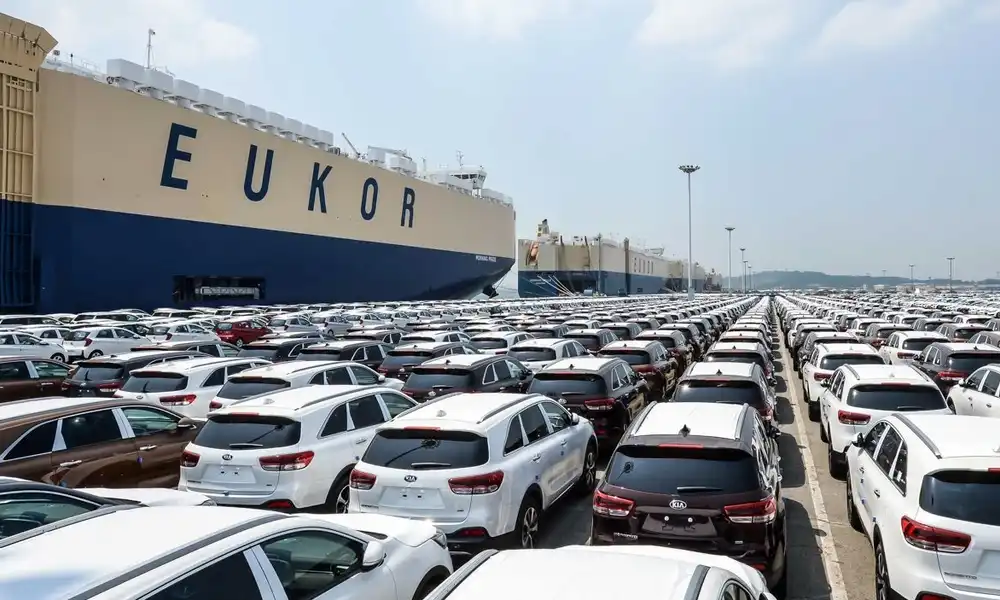

What are the best Korean SUVs for export in 2026? The best Korean SUVs for export in 2026 include the Hyundai Santa Fe, Hyundai Tucson, Kia Sorento, Kia Sportage, and Genesis GV70. These models are popular worldwide due to their reliability, fuel efficiency, advanced safety features, competitive pricing, and strong resale value. Korean SUVs are especially in demand across Africa, the Middle East, Southeast Asia, Latin America, and Eastern Europe, making them excellent choices for importers and exporters.
For global buyers, importers, and dealers, sourcing used cars from Korea presents a valuable opportunity. Korean vehicles, especially popular brands like Hyundai and Kia, offer competitive pricing, reliable quality, and advanced features. However, successfully importing used cars requires understanding key export logistics, compliance, and market-specific considerations. This article provides practical insights into the Korean used car export process, covering essential terms such as FOB and CIF, shipping logistics, inspection protocols, and documentation requirements. By focusing on real export experience and buyer intent, this guide will help international buyers make informed decisions in 2026 and beyond.
Table of Contents
Understanding the Korean Used Car Export Market
Korea is a significant player in the global used car market, known primarily for its well-maintained, technologically advanced vehicles. Hyundai and Kia dominate export volumes, supported by a strong domestic automotive industry and rigorous vehicle maintenance standards.
Exporters in Korea typically offer a wide range of vehicles, from compact sedans to SUVs, many of which come with comprehensive service histories. Buyers should note that Korean used cars often have lower mileage and are well-maintained due to strict domestic regulations and consumer preferences.
Key Export Terms: FOB and CIF Explained
Understanding shipping terms is crucial when importing used cars from Korea:
- FOB (Free on Board): The seller covers all costs until the vehicle is loaded onto the shipping vessel. From that point, the buyer assumes responsibility for freight, insurance, and import duties.
- CIF (Cost, Insurance, and Freight): The seller covers the vehicle cost, shipping freight, and insurance to the buyer’s port. The buyer is responsible for customs clearance, import taxes, and inland transportation.
Buyers should choose the term based on their familiarity with import processes and logistical capabilities. FOB terms might suit experienced importers wanting control over shipping, while CIF can simplify the process for first-time buyers.
Shipping and Logistics: What Buyers Need to Know
Shipping used cars from Korea involves several steps and considerations:

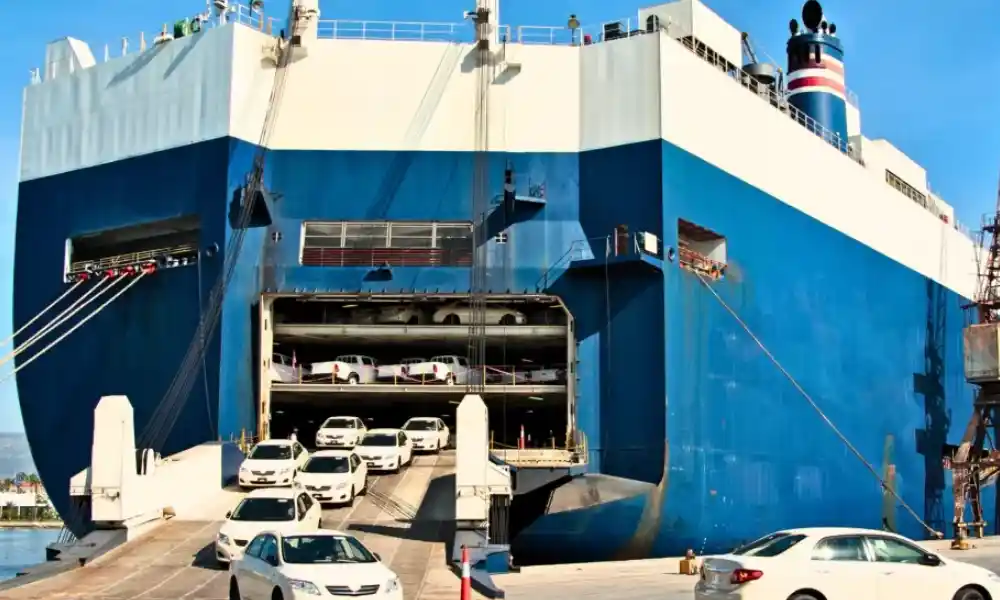
- Container vs. Ro-Ro Shipping: Container shipping offers better protection but at a higher cost. Roll-on/roll-off (Ro-Ro) is often cheaper but exposes vehicles to weather and potential minor damage.
- Transit Times: Shipping to major global ports typically takes 2-6 weeks, depending on destination and shipping method.
- Port Handling: Ensure your importer or freight forwarder has experience with Korean ports such as Busan, which is a major export hub.
- Insurance: Even under CIF terms, verify the insurance coverage extent, especially for high-value vehicles.
Inspection and Vehicle Condition Checks
Thorough inspection is critical when purchasing used cars internationally:
- Third-Party Inspections: Hiring an independent inspector in Korea can verify vehicle condition, mileage, and accident history.
- Vehicle History Reports: Request detailed service records and accident reports. Hyundai and Kia vehicles often have digital maintenance logs accessible through official channels.
- Physical Inspection: If possible, visiting Korean car auctions or dealerships provides direct assessment opportunities.
Inspections minimize risks related to hidden damages, odometer fraud, or incorrect documentation.
Documentation Requirements for Smooth Import
Proper documentation ensures compliance with both Korean export and your country’s import regulations. Key documents include:
- Export Certificate: Confirms the vehicle’s deregistration in Korea.
- Bill of Lading: Essential for cargo tracking and ownership proof during shipping.
- Commercial Invoice: Details the transaction including FOB or CIF value.
- Vehicle Title and Registration: Needed for local registration post-import.
- Emission and Safety Certificates: Some countries require proof of compliance with environmental and safety standards.
Buyers should coordinate closely with their Korean exporter and local customs to ensure all paperwork meets regulatory standards.
Practical Buying Advice for Global Importers
To optimize your used car import experience from Korea:
- Partner with Reputable Exporters: Choose exporters with proven track records and transparent business practices.
- Understand Local Market Regulations: Verify import restrictions, tariffs, and homologation requirements in your country.
- Plan for Currency and Payment Risks: Use secure payment methods and consider currency fluctuations when negotiating prices.
- Evaluate After-Sales Support: Hyundai and Kia vehicles benefit from global parts availability, but check local service infrastructure.
- Factor in Total Landed Cost: Include FOB/CIF prices, shipping, insurance, customs duties, and inland transport when budgeting.
Risks and Challenges to Consider
While Korean used cars are attractive, buyers should be aware of potential pitfalls:
- Documentation Errors: Missing or incorrect paperwork can delay customs clearance or cause legal issues.
- Vehicle Condition Discrepancies: Photos and reports may not fully reflect the actual condition.
- Import Restrictions: Some countries limit vehicle age or emissions standards, which might exclude certain Korean models.
- Shipping Delays: Port congestion, customs inspections, or geopolitical factors can impact delivery times.
Mitigating these risks requires due diligence, strong communication with exporters, and contingency planning.

FAQs
What is the difference between FOB and CIF when buying used cars from Korea?
FOB means the seller is responsible for the vehicle until it is loaded onto the ship, after which the buyer assumes costs and risks. CIF includes the cost of the vehicle, shipping freight, and insurance up to the buyer’s port, making it easier for buyers unfamiliar with shipping logistics.
How can I verify the condition of a Korean used car before purchase?
Request a third-party inspection, obtain detailed vehicle history reports, and if possible, visit Korean auction houses or dealers. Hyundai and Kia vehicles often have accessible maintenance records that can assist verification.
What documents are essential for importing used cars from Korea?
Key documents include the export certificate, bill of lading, commercial invoice, vehicle title, registration papers, and any emission or safety compliance certificates required by your country.
Are there specific import restrictions I should be aware of?
Yes, many countries have regulations regarding vehicle age, emissions, and safety standards. It is important to confirm these rules before purchase to avoid import denial or extra modifications.
What shipping methods are commonly used for exporting used cars from Korea?
Used cars are usually shipped via container shipping or roll-on/roll-off (Ro-Ro) vessels. Containers offer better protection but cost more, while Ro-Ro is more economical but exposes vehicles to environmental conditions.
Conclusion
Importing used cars from Korea in 2026 offers excellent value and quality, especially with trusted brands like Hyundai and Kia. By understanding FOB and CIF terms, ensuring proper inspections, managing shipping logistics, and navigating documentation carefully, international buyers can secure reliable vehicles with minimal risk. Applying practical export knowledge and maintaining transparent communication with Korean exporters ensures a smooth process from purchase to delivery. With the right preparation, global buyers and dealers can confidently capitalize on Korea’s dynamic used car market.