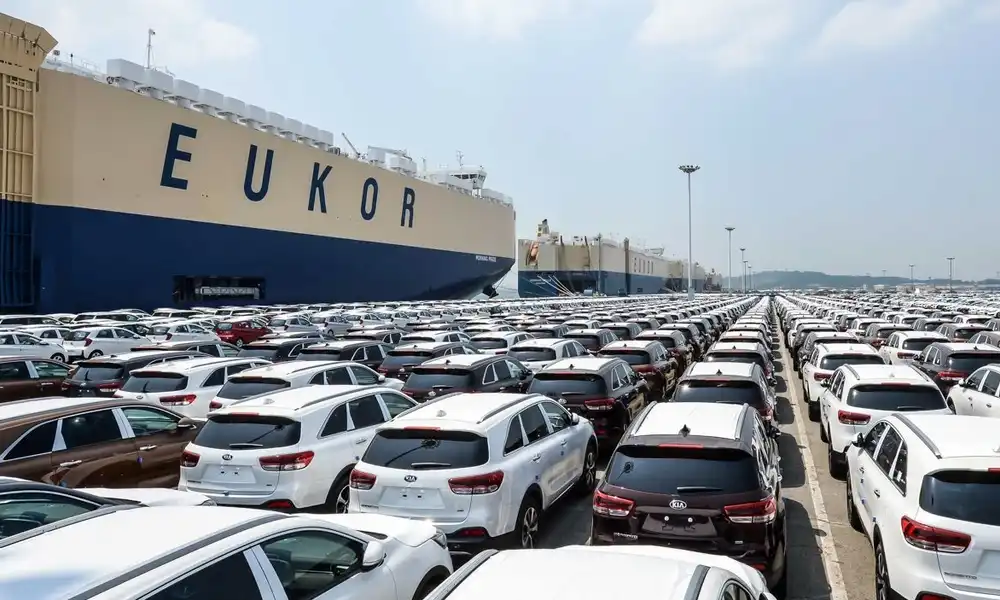
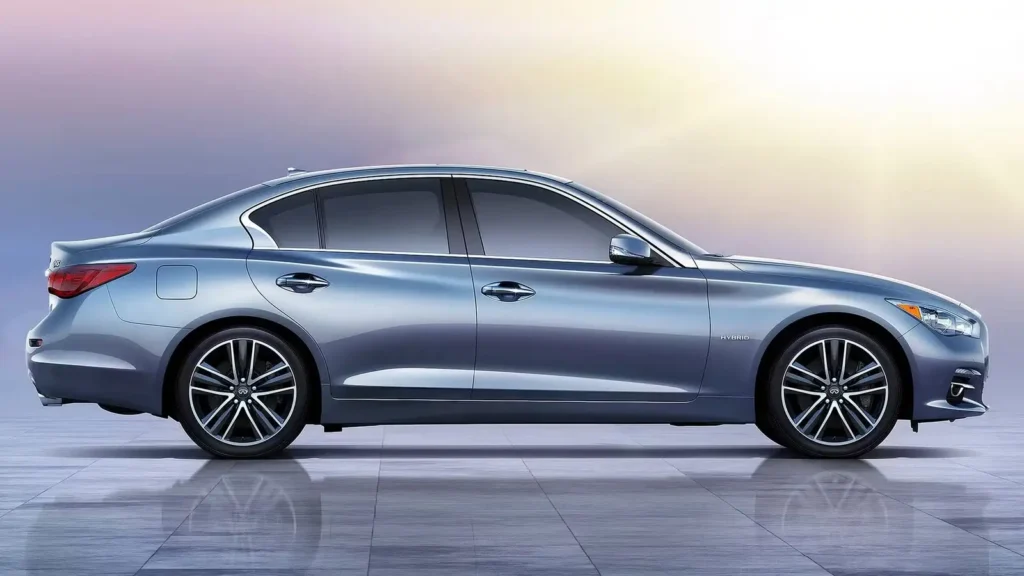
Japanese used cars are generally more profitable for volume export businesses due to lower purchase prices and broader global demand, while Korean used cars often deliver higher margins per unit in specific markets thanks to newer models, better condition, and stronger resale positioning.
UsedCarKorea.com
The better choice depends on your target market, capital, logistics strategy, and risk tolerance. If your goal is high turnover and price competitiveness, Japan typically wins. If you prioritize higher resale value, modern features, and premium positioning, Korea often outperforms.
Table of Contents
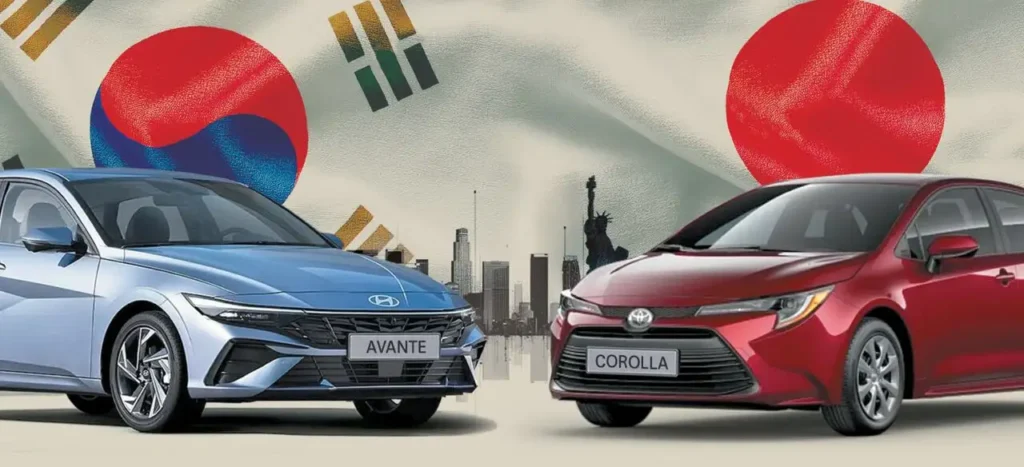
Understanding Profitability in Used Car Imports
Before comparing countries, it’s critical to define what “profitability” actually means in this business.
Key Profit Drivers
- Purchase price (FOB cost)
- Shipping & logistics costs
- Import duties and compliance costs
- Reconditioning/repair expenses
- Final resale value in destination market
- Time-to-sale (inventory turnover)
👉 Profit is not just about buying cheap—it’s about net margin after all landed costs.
Overview of the Japanese Used Car Market
Why Japan Dominates Global Exports
Japan is the world’s largest exporter of used vehicles, supported by a mature auction ecosystem such as USS, TAA, and JU.
Key Advantages
1. Lower Purchase Prices
- High vehicle turnover due to strict inspections (Shaken system)
- Owners sell early to avoid rising maintenance costs
2. Massive Inventory
- Millions of vehicles available weekly through auctions
- Wide range: kei cars, sedans, SUVs, trucks
3. Proven Export Infrastructure
- Streamlined documentation
- Established shipping routes to Africa, Caribbean, and Asia
4. Strong Global Demand
- Brands like Toyota, Honda, and Nissan dominate resale markets
Limitations
- Older average vehicle age
- Basic specifications (especially base trims)
- Higher competition → tighter margins in saturated markets
Overview of the Korean Used Car Market
Why Korea Is Gaining Global Attention
Korea has rapidly emerged as a high-quality alternative, especially for buyers targeting premium resale segments.
Key Advantages
1. Newer Vehicles
- Shorter ownership cycles
- Strong leasing and corporate fleet turnover
2. Higher Specifications
- Advanced infotainment, safety features, and trims
- Better suited for modern consumer expectations
3. Transparent Vehicle History
- Insurance-based tracking systems
- Easier accident and repair verification
4. Strong Brand Growth
- Hyundai and Kia gaining global trust and resale value
Limitations
- Higher purchase prices compared to Japan
- Smaller inventory pool
- Less developed auction system (more dealer-based sourcing)
Cost Comparison: Korea vs Japan
| Factor | Japan | Korea |
|---|---|---|
| Purchase Price | Lower | Higher |
| Vehicle Age | Older | Newer |
| Condition | Good | Very Good |
| Specs/Features | Basic | Advanced |
| Shipping Cost | Similar | Similar |
| Repair Cost | Higher (older cars) | Lower |
| Resale Value | Moderate | High |
👉 Insight: Korea often has higher upfront cost but lower downstream risk, while Japan offers low entry cost but higher variability in condition.

Profit Margin Analysis
Scenario A: African Market (Price-Sensitive)
- Japanese car purchase: $2,500
- Landed cost: $4,000
- Resale: $5,000
👉 Profit: ~$1,000 - Korean car purchase: $4,000
- Landed cost: $5,500
- Resale: $6,200
👉 Profit: ~$700
✅ Winner: Japan (higher ROI, faster turnover)
Scenario B: Middle East Market (Quality-Focused)
- Japanese car resale limited by specs
- Korean cars (full-option SUVs) command premium pricing
👉 Korean vehicles often generate higher absolute profit per unit
✅ Winner: Korea (premium positioning)
Scenario C: Southeast Asia (Balanced Market)
- Japan: dominates entry-level segment
- Korea: growing in mid-range segment
👉 Mixed strategy often works best
Risk Factors That Affect Profitability
1. Vehicle Condition Risk
- Japan: auction grading helps, but hidden issues still occur
- Korea: better documentation reduces uncertainty
2. Regulatory Risk
- Many countries impose age limits (e.g., 5–10 years)
👉 Korea fits better due to newer vehicles
3. Currency Fluctuation
- JPY often weaker → better buying power
- KRW more stable
4. Market Saturation
- Japanese cars dominate → intense price competition
- Korean cars offer differentiation
Which One Should You Choose?
Choose Japan If:
- You are a high-volume trader
- Your market is price-sensitive
- You want fast inventory turnover
- You operate in Africa, Caribbean, or rural markets
Choose Korea If:
- You target urban or premium buyers
- You want higher resale margins per unit
- You need newer vehicles for regulations
- You want lower defect risk
Hybrid Strategy (Most Profitable Approach in 2026)
Experienced importers rarely rely on just one source.
Proven Strategy:
- Use Japan for entry-level stock
- Use Korea for mid-to-high-end vehicles
- Diversify inventory to balance risk and profit
👉 This approach maximizes:
- Cash flow stability
- Market coverage
- Profit consistency
Future Trends (2026–2030)
1. Rise of Korean Exports
- Increasing demand for newer, tech-equipped vehicles
- Growth in EV and hybrid exports
2. Japan Still Dominates Volume
- Auction ecosystem remains unmatched
3. Electrification Shift
- Korea may gain advantage due to newer EV supply
4. Digital Trade Platforms
- AI-based inspection and pricing tools reducing risk globally
Final Verdict
There is no universal winner—only the best fit for your business model.
- Japan = Best for volume, affordability, and quick turnover
- Korea = Best for quality, higher resale value, and premium markets
👉 The most profitable importers in 2026 are not choosing one—they are strategically using both.
Key Takeaway (Featured Snippet Ready)
Japanese used cars offer higher ROI through lower purchase prices and faster turnover, while Korean used cars provide higher resale value and lower risk due to newer condition and better specifications. The most profitable strategy is to match sourcing country with your target market—or combine both.
FAQs
Which country offers cheaper used cars, Korea or Japan?
Japan generally offers cheaper used cars due to its large auction system and high vehicle turnover. Korea typically has higher purchase prices but newer and better-equipped vehicles.
Are Korean used cars more reliable than Japanese ones?
Both are reliable, but Korean used cars are often newer and come with more transparent maintenance and insurance histories, reducing risk for importers.
Which is more profitable for resale: Korean or Japanese used cars?
Japanese cars tend to deliver higher ROI in price-sensitive markets due to low cost, while Korean cars often generate higher profit per unit in premium markets.
What are the main risks when importing used cars from Japan?
Key risks include hidden mechanical issues, older vehicle age, and strong competition that can reduce resale margins.
Why are Korean used cars becoming more popular globally?
Korean cars are gaining popularity due to their modern features, newer models, strong brand reputation (Hyundai/Kia), and compliance with stricter import regulations.