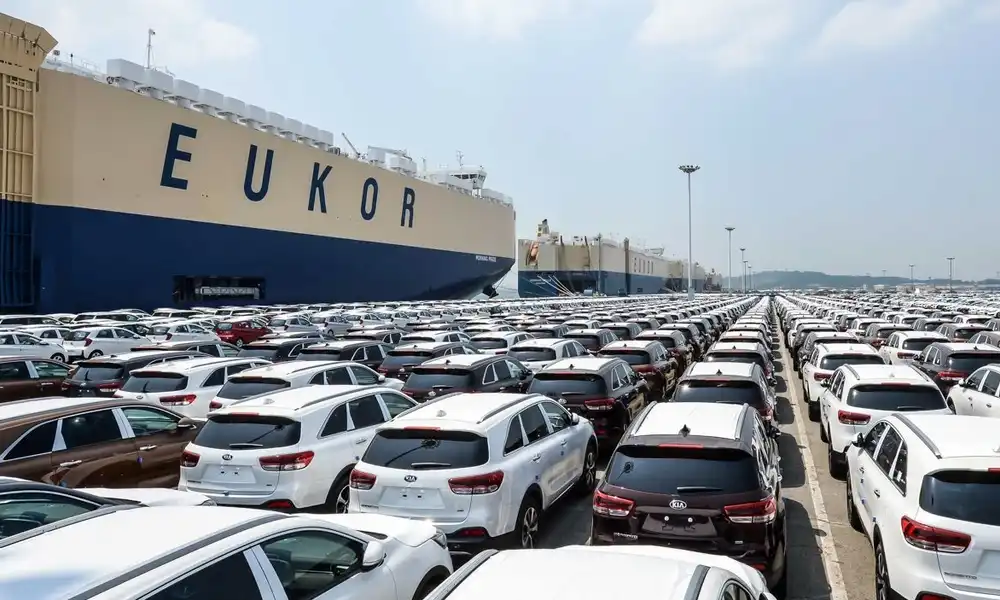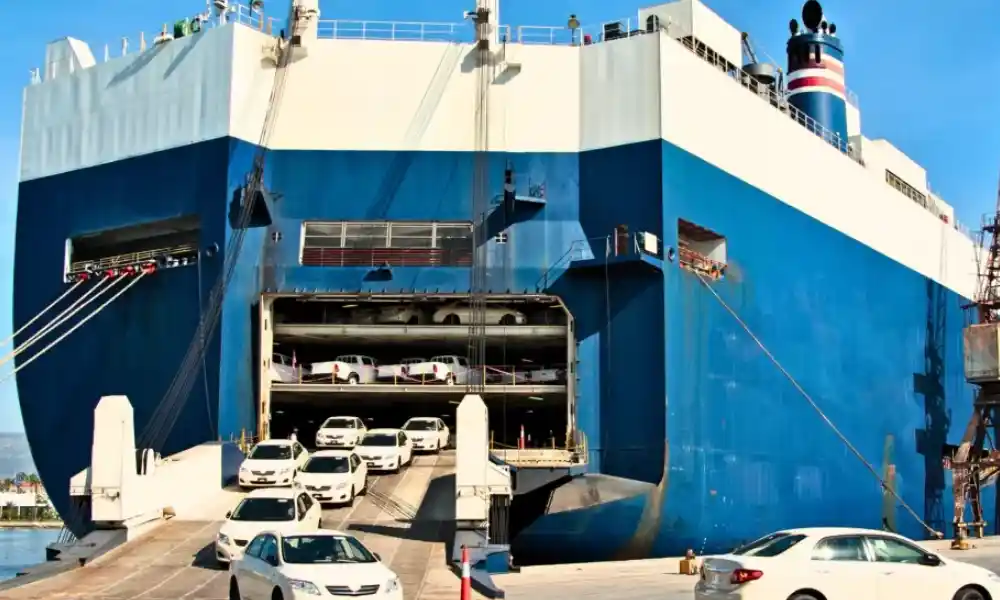

To negotiate used car prices with korean exporters, research market pricing, clarify FOB inclusions, communicate professionally, and anchor your offer with data. Successful negotiation focuses on total value, timing, and long-term relationships rather than aggressive price cuts alone.
UseCarKorea.com
Knowing how to negotiate used car prices with Korean used car exporters is essential for buyers seeking high-quality vehicles at competitive export rates. Korean exporters price strategically for global demand, and informed negotiation can significantly reduce costs while improving terms, transparency, and long-term sourcing success.
Negotiating used car prices with Korean exporters can be highly profitable when done correctly. South Korea is one of the world’s most reliable sources of well-maintained used vehicles, especially Hyundai, Kia, Genesis, and premium imports. However, exporters price strategically for international markets, and buyers who lack preparation often overpay.
This in-depth guide explains how to negotiate used car prices with Korean used car exporters effectively, professionally, and confidently — whether you are a first-time buyer or an experienced international trader.
Table of Contents

Understanding the Korean Used Car Export Market
Before entering negotiations, it is essential to understand how Korean exporters price vehicles.
Korean used cars are generally well maintained due to strict inspection standards and strong consumer habits. Many vehicles are sold domestically at lower prices but gain higher value in export markets where reliability and condition matter more than age or mileage.
Exporters typically consider:

- Vehicle condition and mileage
- Model popularity in destination countries
- Export demand and shipping routes
- Documentation, inspections, and logistics
- Currency exchange fluctuations
Knowing these factors allows buyers to negotiate from an informed position rather than reacting emotionally to quoted prices.
Research Is Your Strongest Negotiation Tool
Successful negotiation begins long before contacting an exporter.
Compare Domestic vs Export Pricing
Study domestic Korean used car prices for similar models, years, and mileage. Export pricing will always be higher, but understanding the domestic baseline helps you identify inflated margins.
Know Your Target Market Value
If you are importing for resale, calculate your maximum purchase price by working backward from:
- Expected resale price in your market
- Import duties and taxes
- Shipping and handling costs
- Profit margin
This ensures your negotiation stays grounded in business reality rather than guesswork.
Professional Communication Builds Immediate Leverage
Korean exporters respond more favorably to buyers who communicate clearly and professionally.
Best Practices for Initial Contact
- Use formal greetings
- Clearly specify vehicle details
- State destination port and quantity
- Avoid aggressive language or vague requests
Example Opening Message:
Dear [Exporter Name],
I am interested in your [model, year, mileage]. Please advise your FOB price and what costs are included. My destination port is [port name].
Clear communication signals seriousness and positions you as a credible buyer.
Price Anchoring: Start Negotiations Strategically
The first number discussed in a negotiation often sets the tone.
How to Anchor Effectively
- Start slightly below your target price
- Justify your offer logically
- Reference vehicle condition and comparable pricing
- Avoid emotional arguments
Rather than asking, “Can you give a discount?”, say:
Based on vehicle condition and market comparison, my target FOB price is [X]. Please advise if this is workable.
This approach encourages discussion rather than resistance.
Clarify What Is Included in the Price
Many disagreements arise not from price itself, but from unclear cost breakdowns.
Always Confirm
- Is the price FOB or CIF?
- Are port fees included?
- Are export documents included?
- Who pays inspection and loading fees?
Negotiating a slightly higher price with everything included is often better than a lower base price with hidden charges.
Use Timing to Your Advantage
Timing can significantly impact negotiation outcomes.
Best Times to Negotiate
- End of month or quarter
- Periods of slower export demand
- When purchasing multiple vehicles
Exporters are more flexible when they are motivated to close deals or maintain shipment volume.
Leverage Volume and Repeat Business
Korean exporters strongly value long-term relationships.
How to Use This in Negotiation
- Mention future purchase plans
- Request bundled pricing for multiple vehicles
- Ask for loyalty pricing after initial transactions
Even small volume commitments can lead to better pricing and faster responses.
Negotiate Value, Not Just Price
Sometimes exporters resist price reductions but are willing to add value.
Value-Add Requests
- Minor repairs or detailing
- Additional inspection reports
- Faster processing or priority loading
- Better payment terms
These benefits often improve profitability without directly reducing the price.
Cultural Awareness Improves Results
Understanding Korean business culture gives you an edge.
Key Cultural Tips
- Politeness and patience are essential
- Avoid aggressive bargaining tactics
- Respect hierarchy and decision timelines
- Build rapport before pushing hard on price
A respectful tone often leads to better long-term outcomes than confrontational negotiation.
Secure the Agreement Properly
Once a price is agreed:
- Request written confirmation of all terms
- Ensure vehicle details match documentation
- Confirm payment method and timeline
- Clarify shipping schedules
Never proceed with payment until all terms are clearly documented.
Common Negotiation Mistakes to Avoid
- Negotiating without market research
- Focusing only on price, not total cost
- Rushing decisions due to urgency
- Ignoring cultural norms
- Failing to confirm inclusions
Avoiding these mistakes can save thousands of dollars over time.
Why Korean Used Car Exporters Are Worth Negotiating With
Korean exporters offer:
- High vehicle quality
- Transparent inspection standards
- Strong logistics infrastructure
- Consistent documentation
When negotiated properly, Korean used cars provide excellent value and long-term profitability for international buyers.
Conclusion: Smart Negotiation Creates Sustainable Success
Negotiating used car prices with Korean exporters is a skill that combines research, communication, cultural awareness, and strategic thinking.
Buyers who:
- Prepare thoroughly
- Communicate professionally
- Negotiate holistically
- Build long-term relationships
consistently achieve better pricing, smoother transactions, and higher profit margins.
Master these strategies, and you will turn Korean used car exports into a reliable, scalable business advantage.

FAQs
How do you negotiate used car prices with Korean used car exporters?
To negotiate used car prices with Korean used car exporters, buyers should research comparable export pricing, confirm FOB inclusions, and present data-backed offers. Clear communication and understanding Korean used car export negotiation practices lead to better pricing outcomes.
Are Korean used car export prices negotiable?
Yes, Korean used car export prices are negotiable, especially when buyers understand FOB price structures, timing, and vehicle demand. Buyers who negotiate professionally and demonstrate repeat-purchase intent often secure more favorable pricing.
What affects Korean used car FOB prices during negotiation?
Korean used car FOB prices depend on vehicle condition, mileage, export demand, shipping logistics, and documentation costs. Understanding these factors strengthens Korean used car export negotiation and prevents overpaying.
Is it cheaper to buy used cars directly from Korea for export?
Buying used cars from Korea can be cost-effective when buyers negotiate properly. Learning how to negotiate used car prices with Korean used car exporters helps reduce margins, avoid hidden fees, and maximize resale profitability.
What mistakes should buyers avoid when negotiating with Korean exporters?
Common mistakes include negotiating without market research, focusing only on price instead of total cost, ignoring FOB details, and using aggressive tactics. Effective Korean used car export negotiation prioritizes clarity, respect, and long-term value.