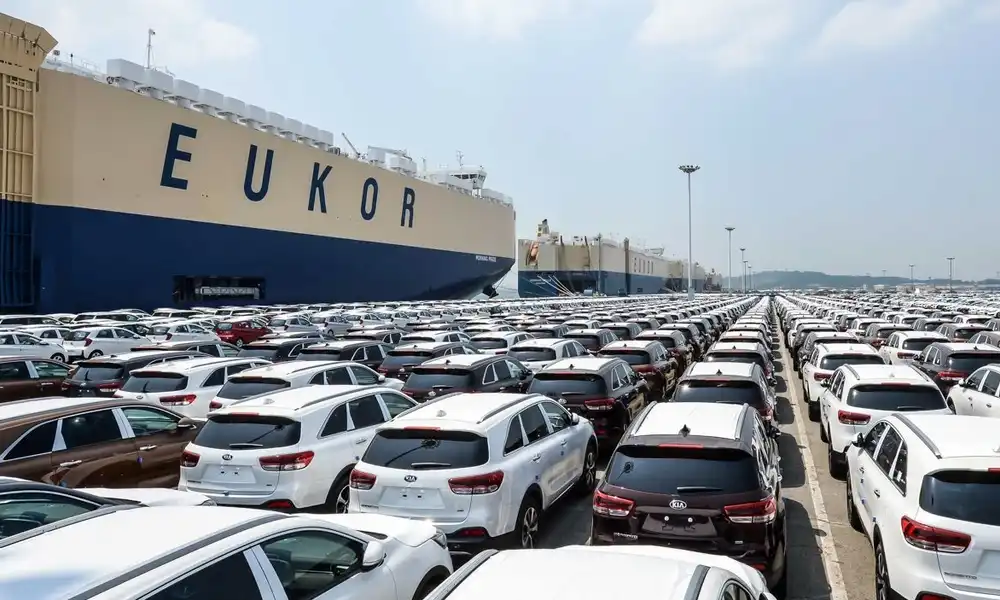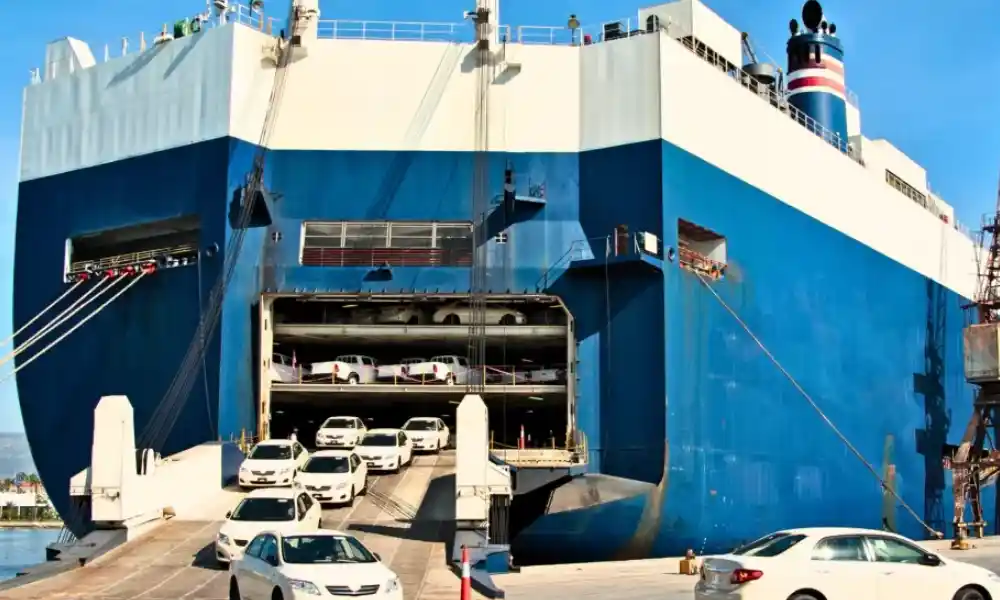
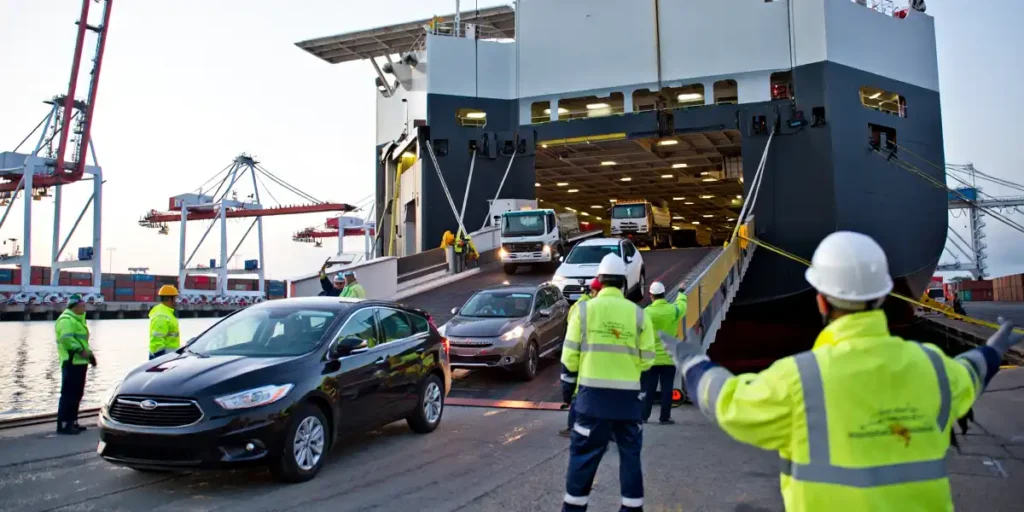
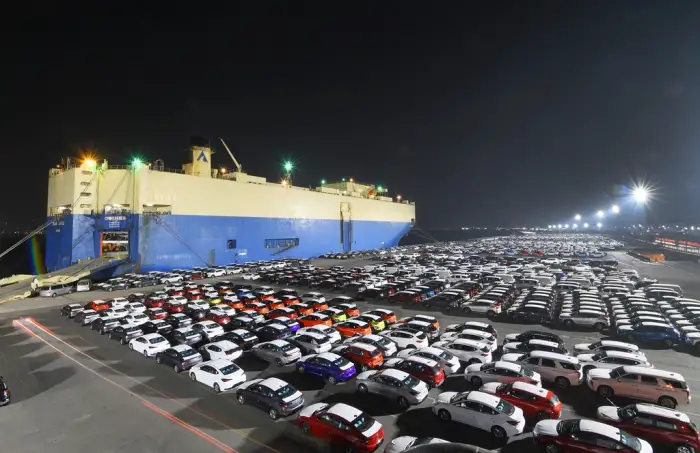
Korean Used Cars to Europe via RoRo provides a fast, cost-effective, and low-risk method for moving vehicles. RoRo shipping allows cars to be driven on and off the vessel efficiently, simplifying logistics, reducing handling damage, and streamlining customs clearance across major European ports.
UsedCarKorea.com
Importing Korean Used Cars to Europe via RoRo has become one of the most efficient ways to meet rising market demand for affordable, reliable vehicles. With RoRo shipping offering lower costs, smoother handling, and access to major European automotive ports, importers can scale operations while minimizing transit risk and customs delays.
As demand for reliable, fuel-efficient, and well-maintained vehicles rises across Europe, Korean used cars are becoming one of the most attractive options for buyers and importers. Hyundai and Kia models, known for strong build quality and affordable maintenance, dominate the used-car export market out of Korea. To bring these vehicles into Europe efficiently and cost-effectively, importers increasingly rely on RoRo (Roll-on/Roll-off) shipping — a logistics method that allows vehicles to be driven directly onto the ship and off again upon arrival.
This article provides a complete overview of the top European RoRo ports, logistics workflow, regulatory considerations, risks, and strategic recommendations for anyone planning to import Korean used cars into Europe.
Table of Contents
Why RoRo Shipping Is Ideal for Korean Used Cars
1. Cost-Effectiveness
RoRo is usually more economical than container shipping because it eliminates the need for container loading, framing, and lifting equipment. For importers moving multiple units, RoRo dramatically reduces per-vehicle freight cost.
2. Lower Handling Risk
Vehicles are driven aboard under controlled conditions, minimizing the physical risks associated with crane lifting or container stacking.
3. Fast Loading and Unloading
RoRo terminals in Europe are highly automated and optimized for high-volume vehicle flow. This allows thousands of vehicles to be offloaded and stored quickly, reducing port dwell time.

4. Perfect for High Volume Imports
Korean exporters often ship in batches — dozens or hundreds of units at a time — making RoRo an ideal solution.
Top RoRo Ports in Europe for Korean Used Car Imports
Europe hosts some of the world’s largest and most advanced RoRo hubs. The following ports are known for excellent infrastructure, fast vehicle processing, and strategic access to major markets.
1. Antwerp-Bruges (Belgium)
One of Europe’s most important automotive gateways, this port can handle millions of vehicles annually. It offers:
- Vast RoRo berths
- Advanced Vehicle Processing Centers (VPCs)
- Efficient onward transport to Germany, France, Netherlands, and Central Europe
This port is a favorite among importers targeting Western and Central European markets.
2. Zeebrugge (Belgium)
Zeebrugge is a specialized RoRo hub focused heavily on automotive cargo. Its advantages include:
- Large parking and storage areas
- High-volume RoRo vessel schedules
- Efficient customs clearance procedures
It is ideal for importers who prioritize speed and predictable lead times.
3. Bremerhaven (Germany)
Germany remains one of the most important car markets in the world, and Bremerhaven is its premier vehicle port. Benefits include:
- Huge RoRo capacity
- Rail links to all major German cities
- Convenient access to Eastern European markets
Bremerhaven is especially suitable for right-away redistribution across the continent.
4. Bremen (Germany)
Located near Bremerhaven, Bremen’s port facilities handle rolling cargo of all sizes and include:
- Wide RoRo ramps
- Secure storage areas
- Efficient vehicle logistics support
This port is often selected for diversified logistics operations.
5. Livorno (Italy)
Livorno is a significant RoRo port for Southern Europe. Strengths include:
- Direct access to Italy’s motorway network
- Ample storage
- Smooth import procedures for used vehicles
This port is optimal for importers targeting Italy, Spain, and Mediterranean markets.
6. Port of Koper (Slovenia)
Koper is the closest major European RoRo port to Albania, making it extremely popular for Balkan distribution. Key advantages:
- Short trucking distance to Albania—often significantly faster than Western Europe routes
- Efficient customs clearance and regional logistics connections
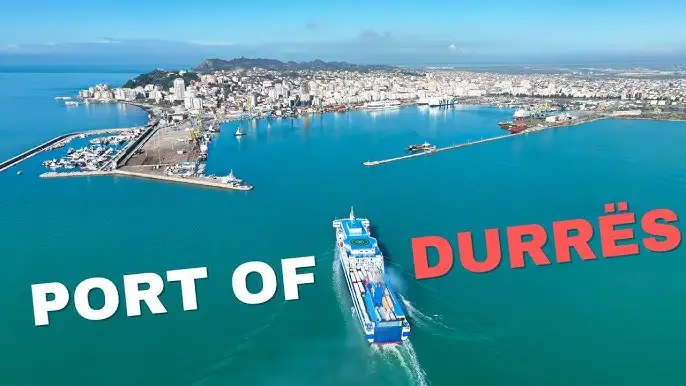
- Feeder vessel connections to the Port of Durres
- Strong automotive import/export infrastructure
Many importers choose Koper because it reduces overall transit time and overland costs to Durres, Albania.
7. Northern Europe Ports (Finland, Baltic Region)
Smaller but specialized ports in northern Europe provide:
- Deep-water access for RoRo vessels
- Shorter transit times to Scandinavia
- Strong distribution links throughout Nordic countries
These are ideal for importers focusing on colder climate markets where Korean vehicles’ durability is appreciated.
How the RoRo Process Works: From Korea to Europe
Importing used cars from Korea using RoRo follows a clear and predictable workflow. Understanding it helps minimize delays and extra charges.
Step 1: Pre-Export Preparation in Korea
Before loading the vehicles:
- Perform vehicle inspection and cleaning
- Prepare export documents (title, deregistration, invoice)
- Photograph vehicles to document condition
- Deliver the cars to the RoRo terminal, usually in Busan or Pyeongtaek
Vehicles must be fully operational to drive onto the ship — including functioning brakes, steering, and engine.
Step 2: Loading onto the RoRo Vessel
On the day of loading:
- Vehicles are driven up the ship’s ramp
- Each car is secured using straps and wheel chocks
- The crew logs VIN numbers and placement positions
RoRo ships are designed like multi-story parking structures, making them safer than many assume.
Step 3: Ocean Transit
The journey from Korea to Europe typically takes 30–45 days, depending on the route and stopovers.
During transit, vehicles are secured in closed internal decks protected from sea spray and weather.
Step 4: Unloading at the European Port
Upon arrival:
- Cars are driven off the ship
- Moved into storage lots
- Routed to the Vehicle Processing Center when needed
Ports with VPCs can perform:
- Cleaning
- Emissions modifications
- Battery charging
- Safety inspections
- Accessory installation
This shortens the time required before the vehicle can enter the market.
Step 5: Customs Clearance
Importers must present:
- Bill of Lading
- Commercial Invoice
- Proof of ownership
- Export certificate from Korea
Taxes include:
- Import duty
- VAT (varies by country)
- Environmental or CO₂ taxes where applicable
Processing times range from a few hours to several days depending on the port and documentation quality.
Step 6: Inland Transport and Final Delivery
After clearing customs, vehicles are moved via:
- Car carriers
- Rail
- Local truck delivery
Distribution depends on the importer’s network — either direct to dealers or to regional storage compounds.
Regulatory Considerations When Importing Korean Used Cars
Europe is known for strict automotive standards. Importers should be aware of key regulatory issues:
Emissions Compliance
Some Korean vehicles may require modifications to meet EU emissions standards. Depending on the country, additional testing may be required.
Lighting and Safety Standards
European rules may require:
- Headlight adjustments
- Rear fog lights
- Speedometer units (km/h required, though Korean cars typically comply)
These adjustments may be completed at the VPC.
Vehicle Age Restrictions
Some European markets impose restrictions or higher taxes on older vehicles. Importers should check age limits before sourcing Korean inventory.
Registration Requirements
Each country has its own process, but usually involves:
- Technical inspection
- Document verification
- Emissions test
- Registration fee
Working with a local agent speeds up this process.
Common Risks and How to Avoid Them
Importers often face predictable challenges. Here’s how to mitigate them:
1. Port Congestion
Busy RoRo ports may cause delays.
Solution: schedule shipments during non-peak periods and maintain buffer inventory.
2. Vehicle Damage
Damage is rare but possible.
Solution: purchase comprehensive marine insurance and document vehicle condition thoroughly before export.
3. Storage Charges
If customs or transport is delayed, storage fees can increase costs.
Solution: pre-arrange inland transport and have customs documents ready ahead of time.
4. Regulatory Changes
Evolving environmental laws can affect import feasibility.
Solution: monitor regulatory news and work with local compliance experts.
Strategic Recommendations for Importing Korean Used Cars via RoRo
1. Choose the Right Port Based on Target Market
Belgium (Antwerp/Zeebrugge) is ideal for Western Europe, while Germany (Bremerhaven) is best for Central and Eastern Europe.
2. Build Partnerships with Local Dealers
Demand for Korean used cars is strong, but smooth distribution requires trusted European partners.
3. Use VPC Services to Speed Up Market Entry
Vehicle Processing Centers significantly reduce the time from port arrival to retail readiness.
4. Monitor Total Landed Cost
Compare:
- Freight
- Customs duties
- Port charges
- Inland transport
- Taxes
This prevents unexpected losses.
5. Standardize Your Import Flow
Establish a recurring shipping schedule to secure better freight rates and predictable supply.
Conclusion
RoRo shipping is one of the most efficient and cost-effective ways to import Korean used cars into Europe. With excellent infrastructure across Europe’s major automotive ports, streamlined vehicle processing centers, and predictable logistics, RoRo allows importers to scale their business while maintaining high reliability.
By understanding the logistics workflow, mastering regulatory requirements, and choosing the right port strategy, businesses can build a strong and sustainable import operation that meets the increasing European demand for Korean used vehicles.
FAQs
How does importing Korean used cars into Europe via RoRo work?
Importing Korean used cars into Europe via RoRo works by driving vehicles directly onto a RoRo ship, transporting them to Europe, and unloading them at major ports. This method simplifies logistics, reduces damage risk, and supports efficient RoRo shipping Europe distribution for importers.
Which European ports are best for Korean used car imports?
The best European ports for importing Korean used cars via RoRo include Antwerp-Bruges, Zeebrugge, Bremerhaven, Bremen, and Livorno. These ports offer large vehicle terminals, fast processing times, and strong Europe vehicle logistics connections for onward transport.
Is RoRo shipping cheaper than container shipping for Korean cars?
Yes. RoRo shipping is typically cheaper than container shipping when importing Korean used cars into Europe. Its simpler loading process and reduced handling costs make it an ideal option for high-volume shipments and for businesses following a structured Korean car import guide.
What documents are required to import Korean used cars into Europe?
Required documents include the Bill of Lading, commercial invoice, export certificate, and vehicle ownership papers. These are essential for customs during importing Korean used cars into Europe via RoRo, helping ensure compliance and smooth Europe vehicle logistics processing.
What are the biggest challenges when importing Korean used cars via RoRo?
Challenges include port congestion, customs delays, emissions compliance, and storage costs. Understanding these issues through a solid Korean car import guide and using efficient RoRo shipping Europe routes can significantly reduce risk and improve delivery timelines.