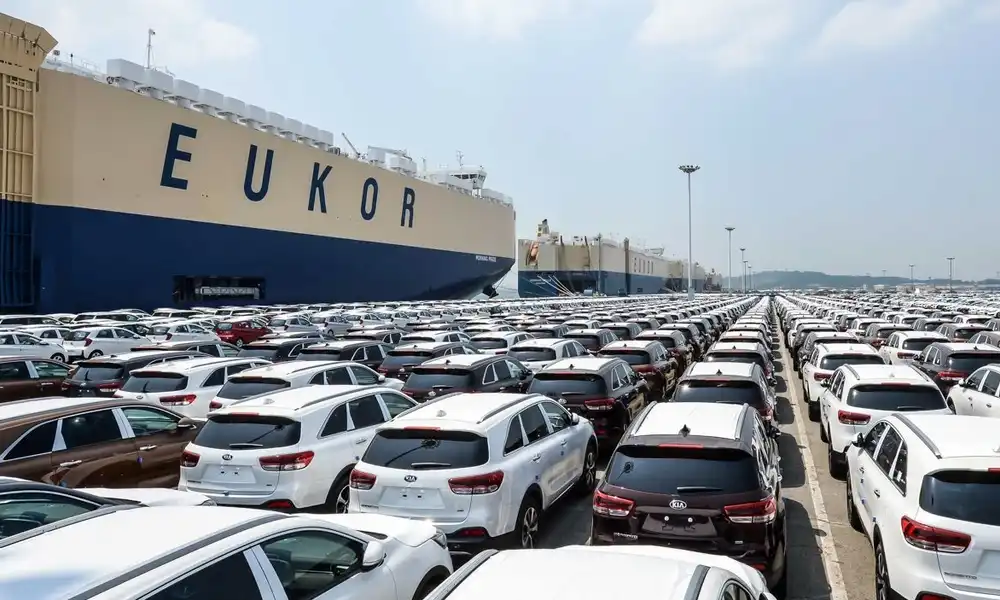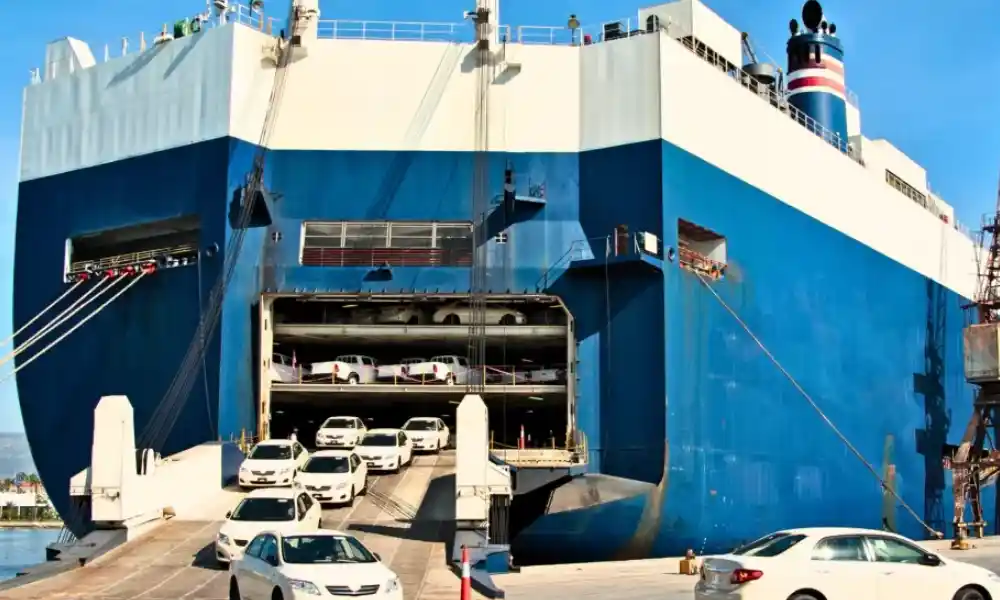
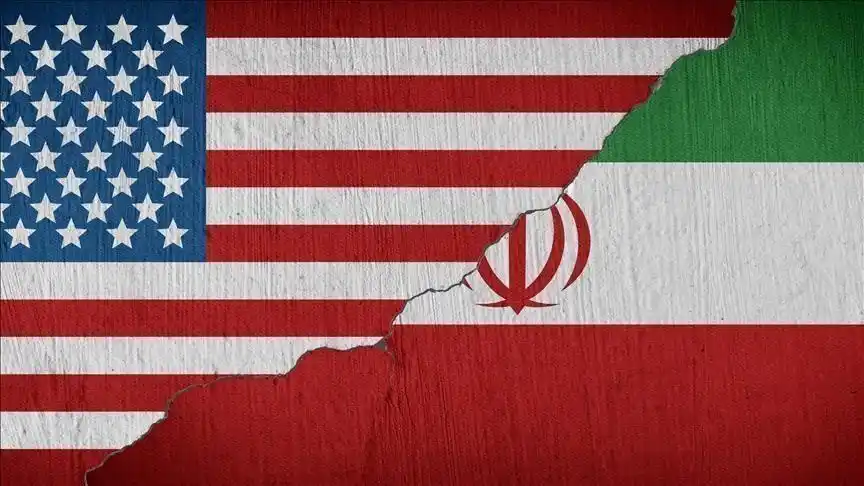
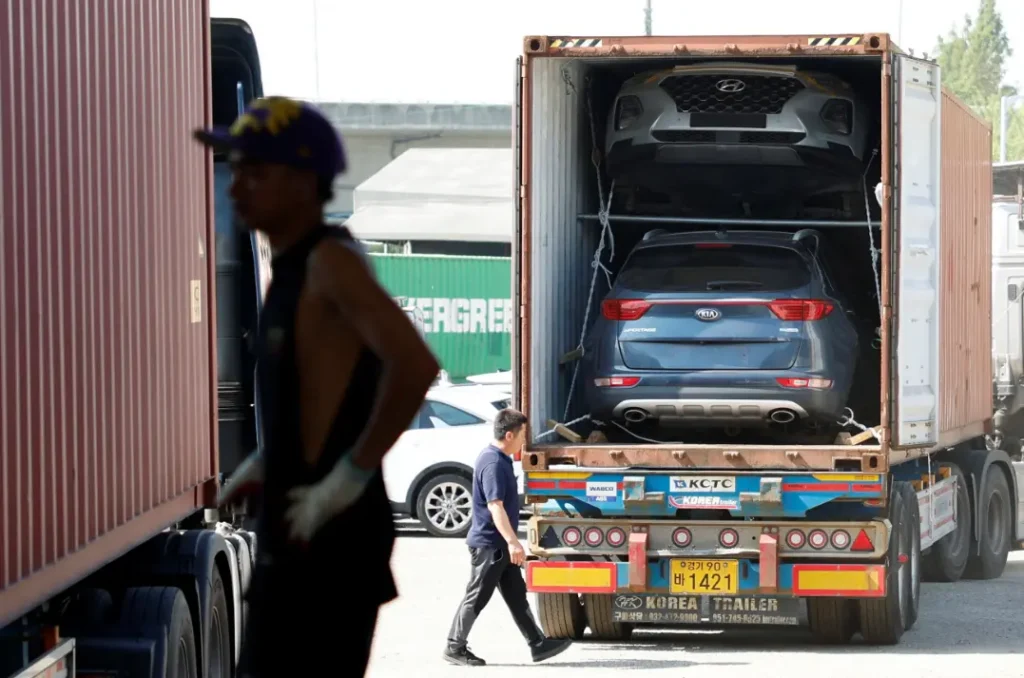
Korean used cars are stranded during a US–Iran war due to blocked shipping routes through the Strait of Hormuz, suspended exports, insurance restrictions, and payment disruptions caused by sanctions. These factors prevent vehicles from leaving Korea or reaching Middle Eastern markets, leading to inventory buildup, rising storage costs, and falling export prices.
South Korea is one of the world’s leading exporters of used vehicles, supplying markets across the Middle East, Africa, and Central Asia. The export system is highly efficient but also logistics-dependent, relying on stable maritime routes and predictable financial systems.
A US–Iran war directly threatens this ecosystem. Because a large portion of Korean used car exports passes through or near the Persian Gulf, any disruption in this region can immobilize thousands of vehicles already in transit. For exporters, dealers, and logistics providers, this is not a theoretical risk—it is a recurring operational challenge tied to geopolitical instability.
Table of Contents
What Does “Stranded Korean Used Cars” Mean?
In export operations, stranded vehicles refer to:
- Cars shipped from Korea but unable to reach final destinations
- Vehicles held in ports, bonded yards, or free trade zones
- Units delayed due to sanctions, insurance gaps, or route suspensions
These vehicles are typically already sold or financed, making delays a direct financial burden.
Why Korean Used Cars Are Specifically Affected
1. Heavy Reliance on Middle East Trade Routes
Korean exporters frequently ship vehicles to:
- United Arab Emirates (UAE)
- Saudi Arabia
- Iraq
- Jordan
These markets act as both end destinations and redistribution hubs to Africa and neighboring regions. Any disruption in the Gulf affects entire downstream supply chains.

2. Dependence on the Strait of Hormuz
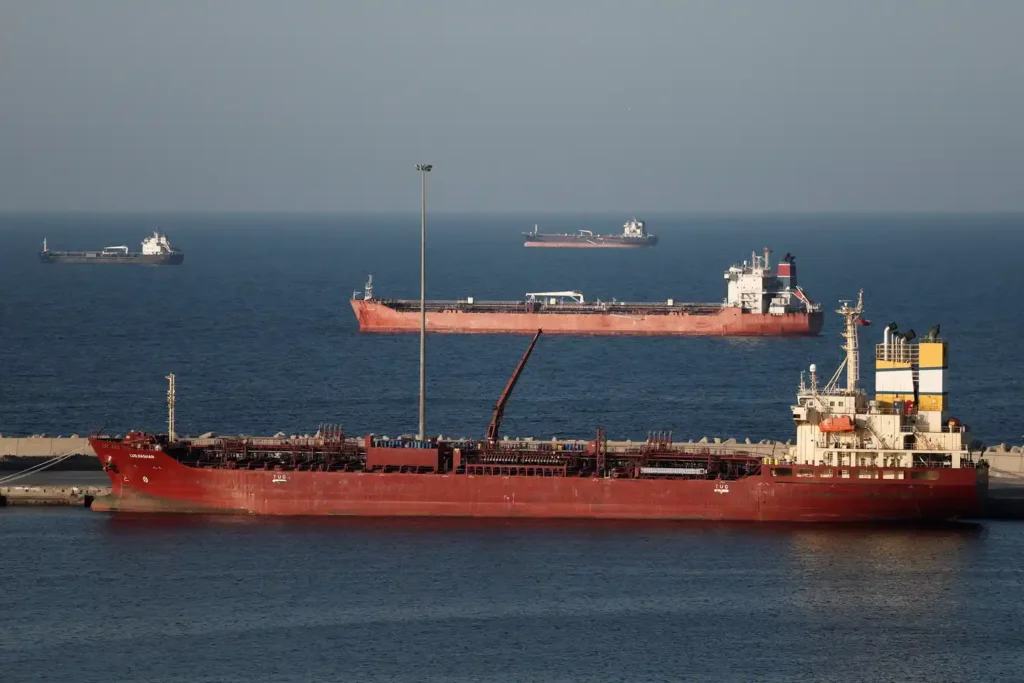
Most shipments to the Middle East must pass through the Strait of Hormuz, a critical maritime chokepoint.
During a US–Iran conflict:
- Naval tensions increase
- Commercial shipping faces restrictions
- Vessel traffic slows or halts
This creates a bottleneck that traps vehicle carriers mid-route.
3. High Volume, Low Margin Business Model
The Korean used car export industry operates on:
- High turnover
- Narrow profit margins
Even small delays can:
- Erase profits
- Increase holding costs
- Disrupt cash flow cycles
Core Causes of Korean Used Cars Becoming Stranded
1. Maritime Route Disruptions
War conditions lead to:
- Rerouting of vessels
- Suspension of Gulf-bound shipments
- Congestion at alternative ports
Vehicles may be diverted to locations like:
- Southeast Asia
- East Africa
But without buyers in those regions, they remain unsold.
2. Expansion of US Sanctions on Iran
Sanctions affect not only Iran but also third-party trade:
- Payments through global banks are blocked
- Transactions involving certain entities become illegal
- Letters of credit cannot be processed
For Korean exporters, this means:
- Buyers cannot pay
- Vehicles cannot be released
- Deals collapse mid-shipment
3. Marine Insurance Withdrawal
Insurance providers play a critical role in vehicle exports.
During conflict:
- War-risk premiums increase sharply
- Coverage may be suspended
- Ships without insurance cannot operate
This results in:
- Shipment cancellations
- Vehicles stranded at Korean ports (e.g., Incheon, Busan)
- Delays at transshipment hubs
4. Port Closures and Operational Limits
Ports in the Middle East may:
- Shut down temporarily
- Operate under restricted capacity
- Prioritize essential goods
This leads to:
- Backlogs of incoming vehicles
- Delayed unloading and customs clearance
5. Financial and Banking Restrictions
Global financial systems react quickly to geopolitical risk:
- SWIFT access limitations
- Currency transfer restrictions
- Payment delays or freezes
Even if vehicles arrive, they may remain in port because ownership transfer cannot be completed.
Real-World Export Scenario
A Busan-based exporter ships 300 used vehicles to UAE buyers. During transit:
- Conflict escalates in the Gulf region
- Shipping lines suspend entry into key ports
- Insurance coverage becomes invalid
Outcome:
- Vehicles are rerouted to a secondary port
- Buyers cannot complete payment due to sanctions
- Storage costs accumulate daily
- Vehicles remain unsold for 60–90 days
This scenario reflects real operational patterns observed during past geopolitical disruptions, adapted to 2026 conditions.
Financial and Operational Risks for Korean Exporters
1. Storage and Demurrage Costs
Ports charge:
- Daily storage fees per vehicle
- Container demurrage penalties
These costs can quickly exceed $1,000+ per vehicle over time.
2. Vehicle Depreciation
Used cars lose value due to:
- Market fluctuations
- Aging inventory
- New supply entering markets
Delays significantly reduce resale profitability.
3. Contractual Disputes
Conflicts arise over:
- Responsibility for delays
- Payment obligations
- Delivery terms
This often leads to renegotiation or legal action.
4. Cash Flow Disruption
Exporters face:
- Delayed or canceled payments
- Locked inventory
- Increased operational costs
This can threaten business continuity, especially for SMEs.
Global Market Impact
Impact on South Korea
- Inventory accumulation
- Falling export prices
- Increased domestic supply
Impact on Middle East & Africa
- Vehicle shortages
- Rising prices
- Shift to alternative suppliers (e.g., China, Europe)
Impact on Global Shipping
- Higher freight rates
- Reduced route availability
- Increased risk management costs
Step-by-Step Response Strategy for Korean Exporters
Immediate Actions
- Pause shipments to high-risk regions
- Identify location of all in-transit vehicles
- Confirm insurance coverage status
- Communicate transparently with buyers
Short-Term Mitigation
- Explore rerouting to safer ports
- Compare storage vs. diversion costs
- Secure temporary warehousing solutions
Long-Term Strategy
- Diversify export markets (e.g., Southeast Asia, Latin America)
- Strengthen contract terms (force majeure clauses)
- Implement real-time geopolitical monitoring systems
Risk Mitigation Best Practices
Diversified Market Strategy
Avoid overdependence on Middle East markets by expanding into:
- Emerging economies
- Stable trade regions
Advanced Contract Structuring
Include:
- Clear risk transfer points
- Defined responsibilities during disruptions
- Flexible delivery terms
Insurance Optimization
Work with specialized brokers to:
- Secure war-risk coverage
- Understand policy exclusions
- Adjust coverage dynamically
Data-Driven Logistics Planning
Use real-time data tools to monitor:
- Shipping routes
- Port operations
- Political developments
Key Takeaways
- Korean used cars become stranded due to shipping disruption, sanctions, and insurance withdrawal during a US–Iran war.
- The Strait of Hormuz is a critical chokepoint affecting exports.
- Financial risks include storage costs, depreciation, and cash flow issues.
- Exporters must adopt diversified logistics, strong contracts, and real-time monitoring.
- The impact extends globally, influencing vehicle prices and supply chains.
Final Expert Insight
From a professional export operations standpoint, Korean used car exporters operate in a highly interconnected global system, where geopolitical risks can instantly disrupt logistics, finance, and demand.
A US–Iran war is not just a regional issue—it is a systemic shock to global trade flows. The most resilient Korean exporters in 2026 are those who proactively integrate risk management, flexible logistics, and strategic diversification into their core business model.
Understanding how vehicles become stranded—and how to respond effectively—is essential for maintaining competitiveness in an increasingly uncertain global market.
FAQs
Why are Korean used cars stranded during a US–Iran war?
Korean used cars become stranded due to shipping route disruptions in the Strait of Hormuz, expanded economic sanctions, marine insurance withdrawal, and port access restrictions. These factors prevent vehicles from being shipped, delivered, or legally transferred to buyers.
Where do stranded Korean used cars typically get stuck?
Stranded vehicles are most commonly held at:
Korean export ports (such as Busan and Incheon)
Transshipment hubs (e.g., UAE free zones)
Destination ports in the Middle East
They remain there due to logistics delays, payment issues, or regulatory restrictions.
How do US sanctions affect Korean used car exports?
US sanctions can:
– Block international payments
– Restrict trade with certain entities
– Freeze financial transactions
This prevents buyers from completing purchases, leaving vehicles undelivered and stuck in storage.
What financial risks do exporters face when cars are stranded?
Exporters may experience:
– High storage and demurrage fees
– Vehicle depreciation over time
– Cash flow disruption due to delayed payments
– Legal disputes over delivery and responsibility
These risks can significantly reduce or eliminate profit margins.
How can Korean exporters prevent or reduce stranded vehicles?
Effective strategies include:
– Diversifying export markets beyond the Middle East
– Using flexible shipping routes and alternative ports
– Securing war-risk insurance coverage
– Strengthening contracts with clear force majeure clauses
– Monitoring geopolitical risks in real time
These measures help reduce exposure to sudden disruptions.