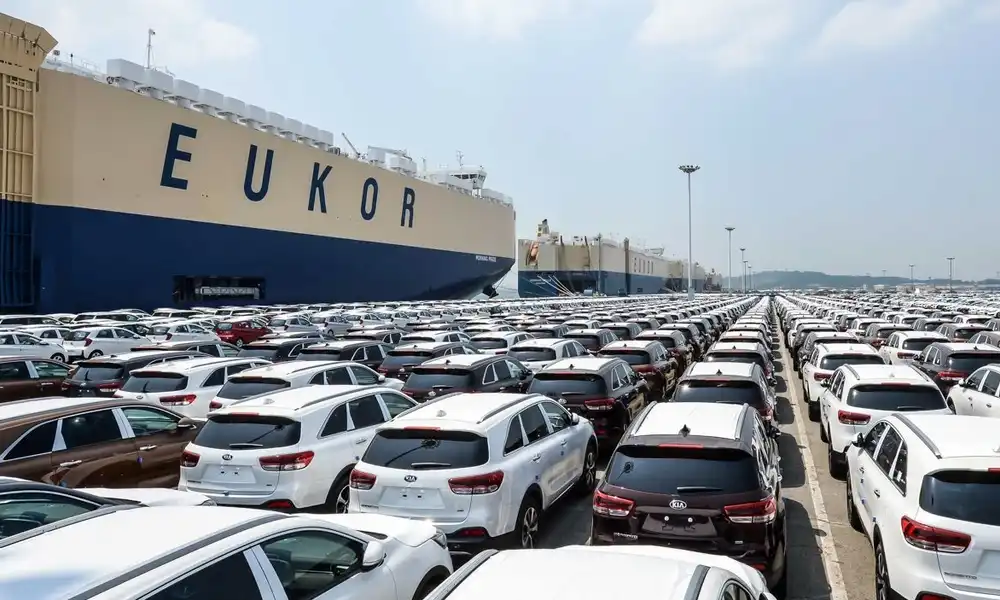
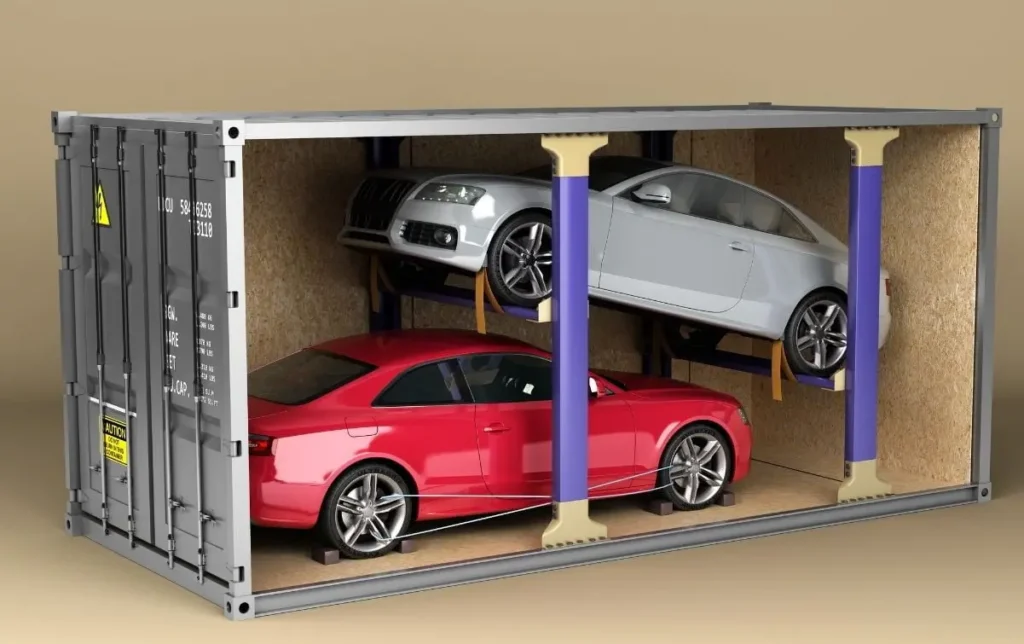
Importers can earn extra revenue by loading general goods inside Korean used cars before container shipping. This unused interior space—trunk, seats, cargo area—allows cost-free freight of products that can be resold locally for high margins, maximizing overall profitability.
UsedCarKorea.com
Importing Korean used cars offers a unique opportunity to generate extra revenue by loading general goods inside the vehicle during container shipping. This smart logistics strategy reduces freight costs, increases total profit, and allows importers to maximize margins using the primary keyword: Korean used car import extra revenue.
Importing used cars from South Korea is already a proven business model thanks to high vehicle quality and strong global demand. But savvy importers are adding a second revenue stream: shipping general consumer goods inside the vehicle during container transport.
This method reduces shipping costs, increases profit per shipment, and allows importers to enter local retail markets with minimal extra investment.
Table of Contents
Why Load General Goods Inside the Car?
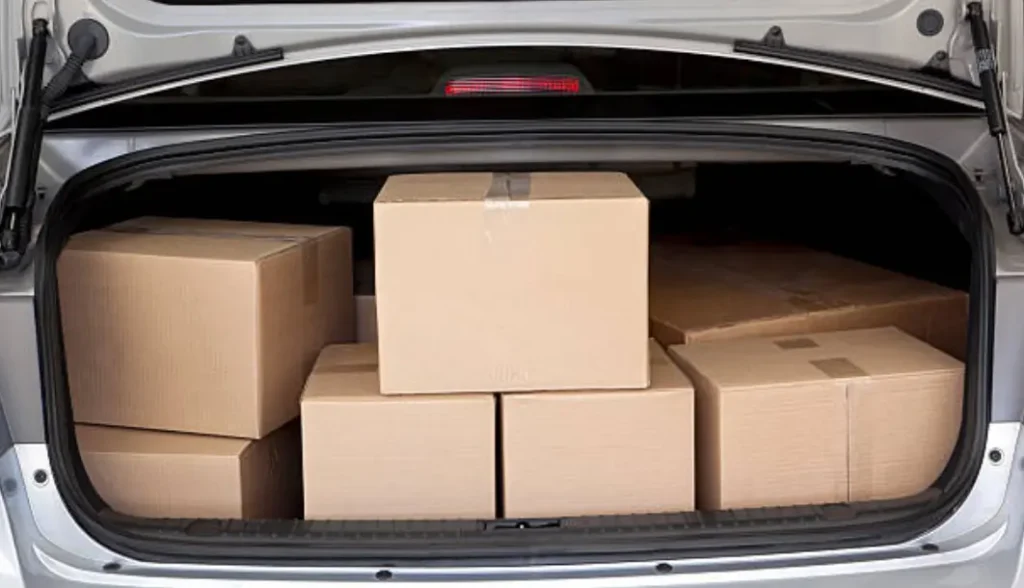
Most used cars shipped from Korea—especially via container shipping—have unused internal space:
- Trunk
- Rear seats
- Cabin floor
- Between wheel areas
- Under-seat storage
Instead of leaving that space empty, exporters and importers load high-demand lightweight products, allowing the importer to sell these items locally for additional income.
Benefits:
- No additional shipping cost (goods share the space already paid for)
- Higher profit margin per container
- Enables micro-retail business in the destination country
- Efficient space utilization
- Lower overall cost per unit
For small businesses, this can transform a used-car import operation into a dual-income model.
How Additional Revenue Is Generated
1. Free Shipping = Pure Profit
Since the container is paid for by the car shipment, the goods inside the vehicle incur zero extra international freight cost.
If you load:
- Cosmetics
- K-beauty items
- Small electronics
- Clothing or accessories
- Car parts and accessories
- Pet products
…the resale margin becomes significantly higher because landed cost is extremely low.
2. Retail Markup in Local Market
Korean-made goods often sell at:
- 2× to 5× the Korea wholesale price
- Much higher premium in regions with limited access to Korean products
This makes trunk-loaded items highly profitable.
3. Faster Turnover Than Cars
Cars take time to register and resell.
Goods sold locally can generate quick cash flow while waiting for the vehicle buyer.
4. Risk Diversification
If a car sells slowly, the importer still earns revenue from the general goods.
How It Works During Shipping
✔ Step 1 — Purchase the Used Car in Korea
Select vehicles commonly exported (Sorento, Sportage, Tucson, Carnival, K5, etc.).
✔ Step 2 — Fill the Interior with General Goods
Items are boxed and placed in:
- Trunk
- Back seats
- Leg room area
- Cargo space (SUVs)
- Under-floor storage
All goods must be declared in the export packing list for customs compliance.
✔ Step 3 — Load the Vehicle Into the Shipping Container
Cars are secured with straps, wheel locks, and wooden braces.
✔ Step 4 — Destination Customs Inspection
Most countries allow personal or commercial goods loaded inside a vehicle, but tax rules differ.
✔ Step 5 — Sell the Goods Locally
Importers distribute them through:
- Small retail shops
- Online marketplaces
- Social media shops
- Local distributors
Recommended Goods to Load Inside the Vehicle
High-Profit, Low-Volume Items:
- K-Beauty & skincare
- Haircare products
- Fashion accessories
- Phone accessories
- Pet supplies
- Vehicle accessories (LED lights, wipers, mats)
- Korean snacks and ramen (check food import rules)
Avoid:
- Heavy metal goods
- Liquids over customs limit
- Batteries without proper declaration
Legal & Compliance Considerations
To avoid customs issues:
- Declare goods in the packing list
- Ensure no prohibited items are included
- Follow destination country’s import tax rules
- Maintain invoices to show product value
- Do not exceed “personal allowance” if importing as a private importer
When done correctly, the process is fully legal and widely practiced by importers worldwide.
Example Profit Model (Simplified)
| Item Type | Korea Cost | Sold Locally | Profit | Notes |
|---|---|---|---|---|
| Cosmetics (per box) | $150 | $400 | +$250 | Light, high demand |
| Pet toys | $80 | $250 | +$170 | Stable demand |
| Car accessories | $50 | $180 | +$130 | Perfect synergy with car buyers |
| Fashion accessories | $60 | $200 | +$140 | Very compact |
👉 Profit from general goods often exceeds the margin from the car itself.
Conclusion: A Powerful Dual-Revenue Import Strategy
Importing Korean used cars with general goods packed inside the vehicle is one of the most efficient ways to maximize profit. It combines:
- Smart logistics
- Zero-cost freight for goods
- High margin retail opportunities
- Diversified income
For anyone importing Korean used vehicles, loading general goods inside the car is not just a bonus—it’s a competitive advantage and a proven model for increasing revenue in global automotive trade.

FAQs
How can Korean used car importers earn extra revenue with trunk-loaded goods?
Importers can load general goods inside the vehicle before container shipping, reducing freight costs and creating extra revenue by reselling the products locally. This boosts Korean used car import extra revenue efficiently.
What types of products are best for container shipping goods inside Korean used cars?
Lightweight, high-margin items such as cosmetics, accessories, and car parts maximize profit. These trunk loaded products increase Korean used car import extra revenue in most markets.
Is it legal to load general goods inside vehicles during Korean used car import?
Yes, as long as items are declared properly. Most countries allow container shipping goods inside vehicles, which helps importers create extra revenue legally.
How much profit can be made from trunk loaded products?
Depending on market demand, trunk loaded products can generate 2–5× resale margins, significantly increasing Korean used car import extra revenue alongside vehicle sales.
Does adding goods inside the car affect container shipping costs?
No. Using available interior space does not raise shipping fees, making container shipping goods an effective way to add extra revenue to Korean used car import operations.