Importing Korean Used Auto Parts can be a smart and cost-effective choice if done correctly. This free checklist guides you through verifying suppliers, confirming part quality, and securing shipments safely. Avoid common mistakes and make smarter purchasing decisions with confidence.
UsedCarKorea.com
Table of Contents
Why Import Korean Used Auto Parts?
Korean Used Auto Parts are well-known for their durability, affordability, and compatibility with global car brands like Hyundai, Kia, and Genesis. Whether for personal repairs or business resale, many global buyers choose Korean parts for their exceptional value. However, the success of an import depends largely on selecting trustworthy suppliers and verifying part authenticity.
Free Checklist: 10 Things to Check Before You Import
1. Verify Supplier Legitimacy
Request a valid business license, export registration, and client references to confirm the supplier’s authenticity before proceeding.
2. Confirm Authenticity and Reputation
Since OEM labels are not typical for used parts, focus on verifying the supplier’s reputation and the genuine origin of the parts offered.
3. Request Detailed Photos and Videos
Ask for clear, high-resolution images and videos showing the part’s condition, serial numbers, and any identifying marks.
4. Review Return, Refund, and Warranty Policies
Clarify terms regarding returns and refunds in case parts are defective, damaged, or do not match your order.
5. Clarify Shipping Methods, Costs, and Insurance
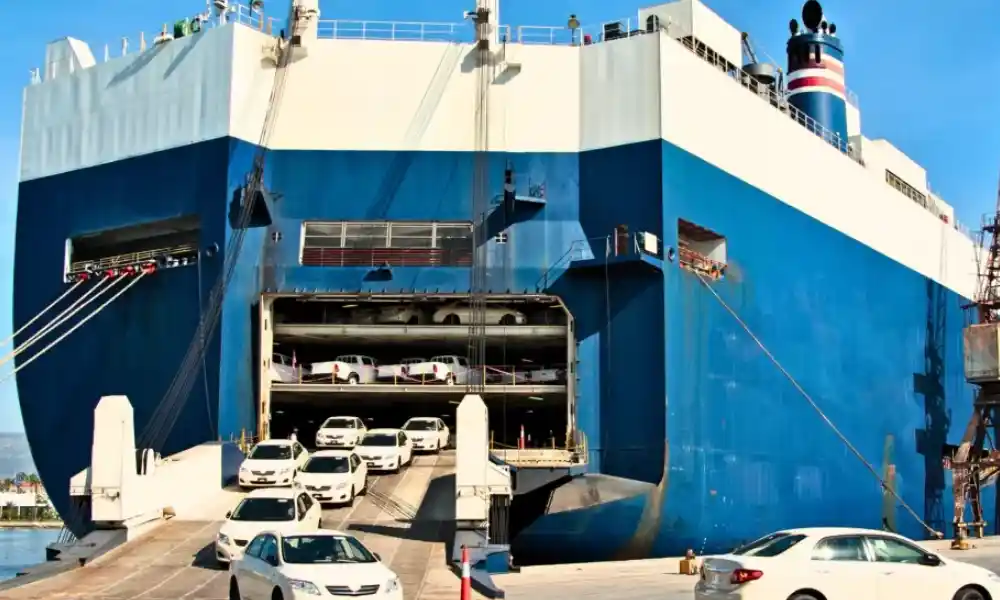
Discuss available shipping options—such as air freight for small urgent orders or container shipping for bulk imports—and confirm if insurance is included.
6. Demand an Official Written Quotation
Obtain a formal quotation listing part numbers, descriptions, pricing, shipping costs, and payment terms to avoid future misunderstandings.
7. Check Part Compatibility Thoroughly
Cross-check part numbers and specifications with your vehicle model to avoid issues with fitment or functionality.
8. Secure the Transaction with Step-by-Step Payment
Place a deposit to reserve the order, request video confirmation of the exact parts, and complete the final balance payment only after verifying the parts.
9. Confirm Professional Packing Standards
Ensure that parts are securely packed using sturdy materials like reinforced boxes, bubble wraps, and wooden crates for safe international shipping.
10. Analyze Customer Reviews and References
Research past buyer reviews and testimonials to assess the supplier’s credibility, service quality, and product reliability.
Popular Korean Brands for Used Auto Parts
- Hyundai
- Kia
- Genesis
- SsangYong
- Daewoo
These brands offer a wide range of used auto parts highly valued for their engineering and global availability.
Verify Part Authenticity, Compatibility, and VIN Matching
Before importing Korean used auto parts, it is essential to verify the authenticity and exact compatibility of each component with the target vehicle. Korean vehicles often have market-specific variations, even within the same model year, making VIN (Vehicle Identification Number) matching a critical step. Reputable Korean exporters provide VIN-based verification, OEM part numbers, and dismantling records to ensure accuracy. Importers should confirm whether parts are OEM, remanufactured, or aftermarket, as misclassification can lead to customs issues, installation failure, or warranty disputes. Authenticity checks not only reduce return rates but also protect buyers from counterfeit or incompatible components.
Assess Condition, Mileage, and Dismantling Standards
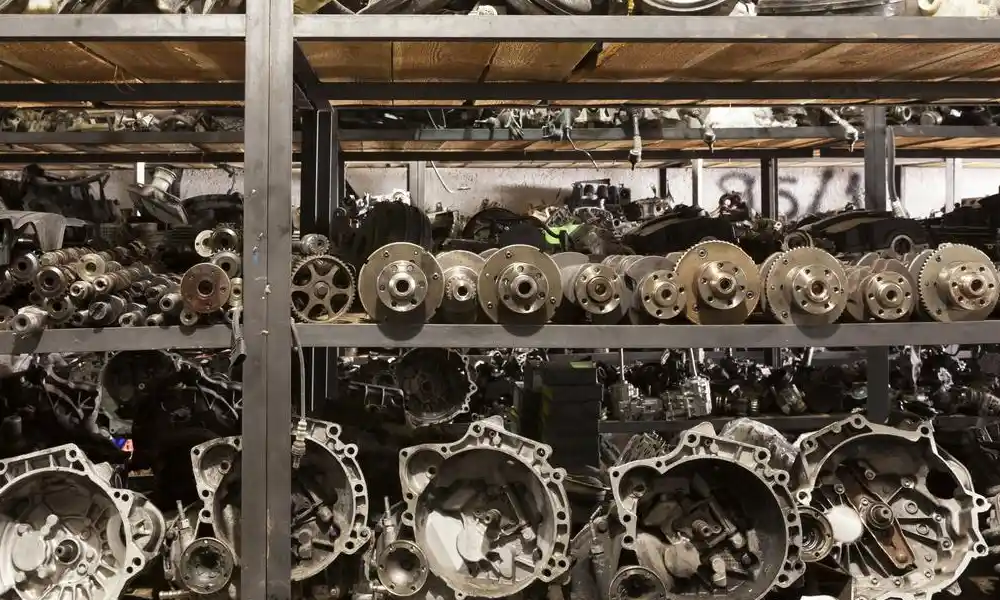
Used auto parts from Korea vary widely in quality depending on vehicle mileage, accident history, and dismantling practices. Professional dismantlers follow regulated processes, documenting part condition through high-resolution images, inspection reports, and test results (especially for engines, transmissions, and ECUs). Buyers should request detailed condition grading and confirm whether parts were removed from salvage, insurance write-off, or export-certified vehicles. This level of due diligence reflects real-world industry experience and helps prevent performance issues after installation.
Confirm Export Documentation and Customs Compliance
Successful importation depends on accurate and complete export documentation, including invoices, packing lists, HS codes, and certificates of origin. Korean used auto parts must comply with both Korean export regulations and the destination country’s import laws, which may restrict certain components such as airbags, batteries, or emissions-related parts. Working with an exporter experienced in international logistics ensures correct classification and reduces the risk of shipment delays, fines, or seizure. Customs compliance demonstrates operational expertise and builds long-term trust with overseas buyers.
Evaluate Supplier Credibility and Industry Track Record
Choosing a trustworthy Korean supplier is one of the most decisive factors in used auto parts importing. Authoritative exporters typically have years of export experience, verifiable business licenses, global client references, and transparent communication channels. Buyers should assess online presence, trade platform ratings, and responsiveness to technical inquiries. Suppliers that clearly disclose sourcing methods and inspection standards signal higher reliability. Establishing partnerships with credible exporters minimizes risk and supports scalable, repeat import operations.
Understand Warranty, Return Policy, and After-Sales Support
Even with strict inspections, used auto parts carry inherent risk. Therefore, importers must clearly understand the warranty scope, return conditions, and dispute resolution process before shipment. Professional Korean exporters often offer startup warranties, testing periods, or partial replacement policies for high-value components. Transparent after-sales support reflects confidence in product quality and strengthens buyer trust.
Common Mistakes to Avoid When Importing Korean Used Auto Parts
- Neglecting supplier verification
- Skipping thorough inspection of parts
- Finalizing deals based on verbal promises
- Paying the full amount upfront without security measures
- Overlooking insurance coverage for international shipping
Avoiding these mistakes can save you substantial time, money, and frustration during your import journey.
FAQs
Are Korean Used Auto Parts reliable?
Korean Used Auto Parts are generally known for their durability and reliability. However, the most critical factor is finding a trusted supplier to ensure you receive high-quality parts.
What is the most cost-effective shipping method for auto parts?
For small parts, air freight offers speed and convenience. For large, heavy, or multiple parts, container shipping provides significant cost savings.
How can I ensure a safe transaction with a Korean auto parts supplier?
Request a detailed video confirmation of the ordered parts before proceeding with full payment. Arrange an initial deposit to secure the order, and complete the balance payment only after verifying the parts through the provided video evidence.
Can I save money by importing Korean Used Auto Parts instead of buying locally?
For small, urgent parts, air shipping can be expensive and may outweigh the savings. However, if you are importing larger quantities via container shipments for business purposes, direct importation from Korea becomes significantly more cost-effective.