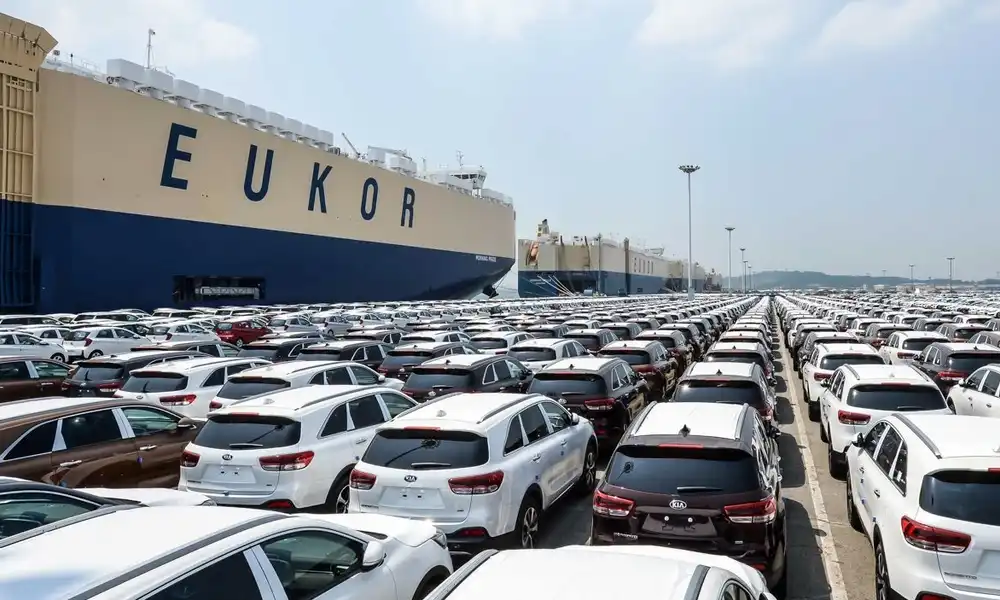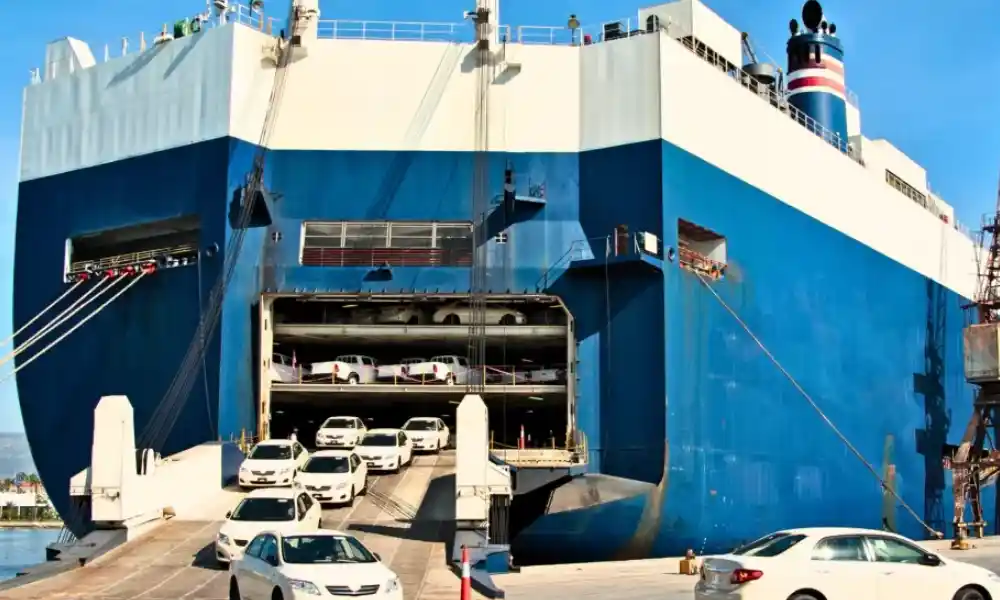
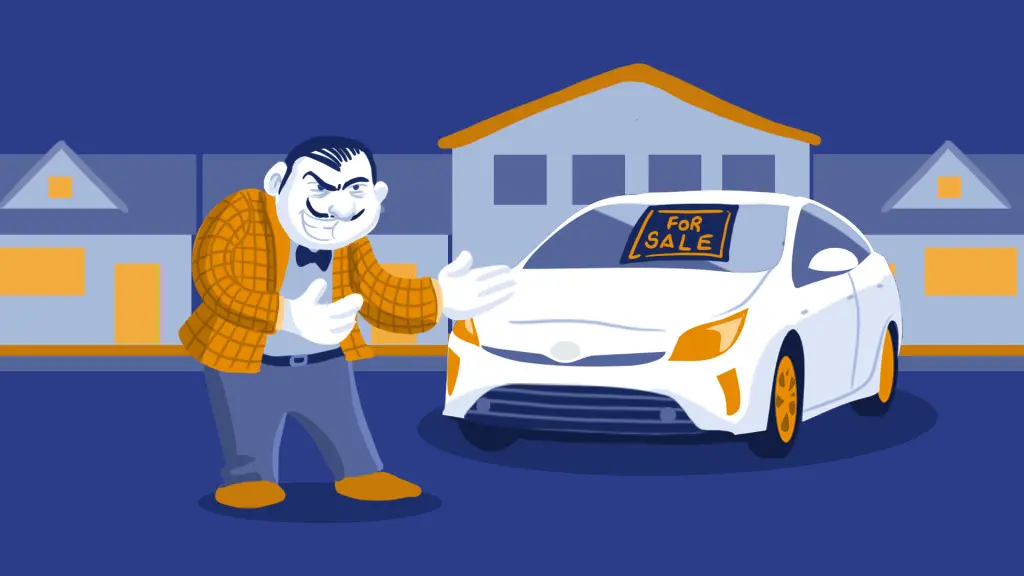
South Korea used car scams typically involve Bait-and-Switch (fake listings), mileage rollback (odometer fraud), and concealing major issues like flood damage or frame damage. Buyers can avoid Korean used car dealer fraud by demanding official history reports and insisting on a third-party inspection.
UsedCarKorea.com
The South Korean used car market is a tempting landscape for buyers seeking value, but it is unfortunately rife with pervasive and sophisticated South Korea used car scams. Navigating this complex environment without falling victim to fraud requires more than basic caution; it demands an advanced understanding of the precise deception tactics employed by unscrupulous dealers, from falsifying digital records to concealing catastrophic flood damage.
The South Korean used car market, a dynamic sector known for its high volume and diverse inventory, offers undeniable appeal to both domestic and international buyers. However, this market is notoriously opaque, creating a fertile ground for sophisticated and pervasive fraudulent schemes. While highly reputable corporate dealers exist, a significant portion of transactions involves smaller, less scrupulous dealerships that actively employ a variety of deception tactics. For the unprepared buyer, purchasing a used vehicle in South Korea can expose them to substantial financial loss, safety risks, and lengthy legal battles. This comprehensive guide serves as a crucial resource, detailing the most common types of used car dealer fraud, providing actionable strategies for avoidance, and outlining the legal recourse available to victims. Understanding these hidden risks is the first, most critical step in securing a safe and trustworthy vehicle purchase.
Table of Contents

The Anatomy of Used Car Fraud: Five Major Deception Categories
Used car scams in South Korea generally fall into five distinct, yet often interconnected, categories of fraud. These practices are designed to artificially inflate a vehicle’s perceived value or to force a buyer into an undesirable purchase.
1. The Bait-and-Switch (False Listings)
This is arguably the most widespread form of deception and often involves sophisticated online platforms.
- The Tactic: Dealers create highly attractive online advertisements featuring popular models at unrealistically low prices. These listings include flawless photos and compelling descriptions.
- The Deception: When a buyer contacts the dealer or arrives at the lot, they are told the advertised car was “just sold,” “has a sudden mechanical issue,” or “is in a different location.” The dealer then aggressively pressures the buyer to switch to a far more expensive or lower-quality car on the lot. The initial listing was merely a “bait” to bring the potential victim into the physical location.
- The Warning Signs: Prices that are significantly lower than the market average for a specific make, model, and year (e.g., 20-30% below standard value) are the clearest indicator of a false advertisement. Dealers who refuse to verify the vehicle’s current location or schedule a firm inspection immediately are major red flags.
2. Odometer Fraud (Mileage Rollback)
Mileage is a key determinant of a vehicle’s value, and fraudulent manipulation of this number is common, creating a false perception of low wear and tear.
- The Tactic: The car’s odometer is illegally reset or “rolled back” to display a much lower mileage figure. For instance, a vehicle that has genuinely traveled 150,000 kilometers might be displayed with only 50,000 kilometers.
- The Deception: The buyer pays a premium price for a car that has significantly more wear and tear on its engine and major components than indicated. This leads to premature maintenance costs and component failure.
- The Defense Strategy: Buyers must demand an official vehicle history report, often referred to as the $\text{CarHistory}$ report, which records mileage at mandatory inspection points. Cross-reference this official data with the current odometer reading. Physical inspection can also reveal discrepancies, such as heavily worn interior components (pedals, steering wheel, driver’s seat) that do not match the low mileage reading.
3. Concealed Accident and Damage History
Dealers frequently conceal or minimize a vehicle’s past structural damage, which can pose serious safety risks.

- The Tactic: The dealer fails to disclose that the vehicle was involved in a major collision that compromised the chassis or frame, or that it sustained flood damage from severe seasonal weather. They often perform cosmetic repairs to hide structural weaknesses.
- The Deception: A buyer acquires a structurally unsound vehicle, risking serious harm in a future accident. Flood-damaged vehicles are particularly dangerous, as water damage to the electrical system can cause intermittent failures long after the purchase.
- The Defense Strategy: Always pull the seatbelts completely out and inspect the fabric for waterlines, mold, or discoloration, a definitive sign of flood damage. Demand the vehicle’s official Performance Inspection Report to check for recorded structural repairs. Look for inconsistencies in body panel gaps, misaligned paint color, or fresh welding marks on the chassis, often best seen from underneath the car.
4. Document Manipulation and Title Fraud
This sophisticated scheme involves using false paperwork to misrepresent the vehicle’s true condition or ownership status.
- The Tactic: Fraudsters forge or alter the Performance Inspection Report to claim a heavily damaged vehicle is “accident-free.” In rarer cases, they may present fake ownership documents to sell a car with outstanding liens or debts, leaving the new owner responsible for the debt.
- The Deception: The buyer accepts the vehicle based on fraudulent safety assurances or inherits the financial liabilities associated with the car’s title.
- The Defense Strategy: Utilize government-provided online portals, which allow buyers to check for outstanding tax liens, mandatory inspection records, and registered ownership changes using the license plate number. When signing the contract, ensure the vehicle identification number (VIN) on the contract precisely matches the VIN stamped on the car’s chassis.
5. Hidden Fees and Contractual Traps
Even after agreeing on a price, a dealer can engage in fraud through hidden, non-negotiable fees added to the final contract.
- The Tactic: The final contract includes vague “dealer costs,” “management fees,” or “administrative fees” that significantly inflate the final price well beyond the agreed-upon amount. In the high-pressure environment of the contract signing, the buyer often overlooks these additions.
- The Deception: The buyer is forced to pay hundreds or thousands of extra dollars. In some cases, the dealer will shift the legal responsibility for ownership transfer taxes and registration fees entirely onto the buyer, contrary to legal or industry custom.
- The Defense Strategy: Review every line item of the sales contract. If a fee is not clearly defined, demand an explanation and insist on its removal. The most effective protection is a Special Clause (or Annex) added to the contract stipulating that the seller will be liable for a full refund or compensation if any undisclosed accident, flood damage, or lien is discovered post-sale.
Advanced Strategies for Safe Acquisition
Mitigating risk requires systematic diligence and avoiding emotional purchases.
- Prioritize Corporate Dealers: Reputable corporate chains offer verified listings, comprehensive warranties (often 30 days/2,000 kilometers by law), and transparent inspection records. While prices may be slightly higher, the reduction in risk is invaluable.
- Verify, Verify, Verify: Never trust a dealer’s verbal assurances. Use the vehicle identification number (VIN) and license plate number to cross-reference data on all available government and insurance history portals. Pay the small fee for the comprehensive insurance accident history report.
- Third-Party Inspection: Hire a trusted, independent mechanic or inspection service to perform a pre-purchase inspection. Dealers who refuse to allow a third-party inspection should be immediately avoided.
- Test Drive Protocol: If a dealer refuses to allow a test drive on public roads, walk away. During the drive, listen for abnormal noises from the suspension or engine, check the steering alignment, and test all internal electronics and components (air conditioning, radio, windows).
Legal Recourse for Fraud Victims
If a buyer discovers fraud after the transaction is complete, specific legal avenues are available.
- The Consumer Agency: The first step is typically filing a complaint with the Korea Consumer Agency. This government-affiliated body offers free mediation services to resolve disputes between buyers and sellers without the immediate need for a lawsuit.
- Statutory Dealer Liability: Under South Korean law, the used car dealer is generally liable for damages if they provide false or misleading information about the vehicle’s condition or performance. If the fraud is proven (e.g., concealed accident history or mileage fraud), the buyer has a strong claim for a contract cancellation and full refund.
- Civil and Criminal Action: For cases involving significant financial damage or deliberate, malicious fraud (like falsified documents), buyers can pursue a civil lawsuit for compensation and may also file a criminal complaint with the police. Consulting with a qualified legal professional is essential to navigate this process, particularly for non-native speakers.
Conclusion
The risks associated with the South Korean used car market are real, but they are manageable. The key to a secure transaction lies in information, verification, and zero tolerance for red flags. By understanding the five major categories of dealer fraud—false listings, mileage rollback, hidden damage, document forgery, and contractual traps—and by implementing a rigorous verification process, buyers can effectively navigate this complex market. Protect your investment, prioritize safety, and ensure that your next vehicle purchase in South Korea is a positive and transparent experience.

FAQs
What are the most common South Korea used car scams?
The most common South Korea used car scams include the Bait-and-Switch tactic (using fake online listings), mileage rollback Korea (odometer fraud), and the hidden sale of structurally damaged or flood damaged cars South Korea. These practices constitute significant Korean used car dealer fraud.
How can I detect mileage rollback Korea?
To detect mileage rollback Korea, you must obtain the official CarHistory report, which logs mileage at mandatory inspection points. Any major discrepancy between the official record and the current odometer reading is proof of South Korea used car scams.
What is the risk of buying flood damaged cars South Korea?
Buying flood damaged cars South Korea is highly risky because water severely compromises a vehicle’s electrical systems, leading to costly and unpredictable failures. This specific type of Korean used car dealer fraud is often hidden cosmetically but can be revealed by checking for water lines on the seatbelts.
How do I avoid Korean used car dealer fraud involving fake listings?
Avoid Korean used car dealer fraud by only considering cars with market-realistic pricing. If a deal seems “too good to be true,” it is likely a South Korea used car scam known as the Bait-and-Switch. Insist on immediate physical verification and refuse to view any car other than the one originally advertised.
What is the best legal defense against South Korea used car scams?
The best legal defense against South Korea used car scams is to include a Special Clause in the contract guaranteeing a full refund if undisclosed issues (like frame damage, mileage rollback Korea, or being one of the flood damaged cars South Korea) are later discovered. This holds the dealer directly accountable for Korean used car dealer fraud.